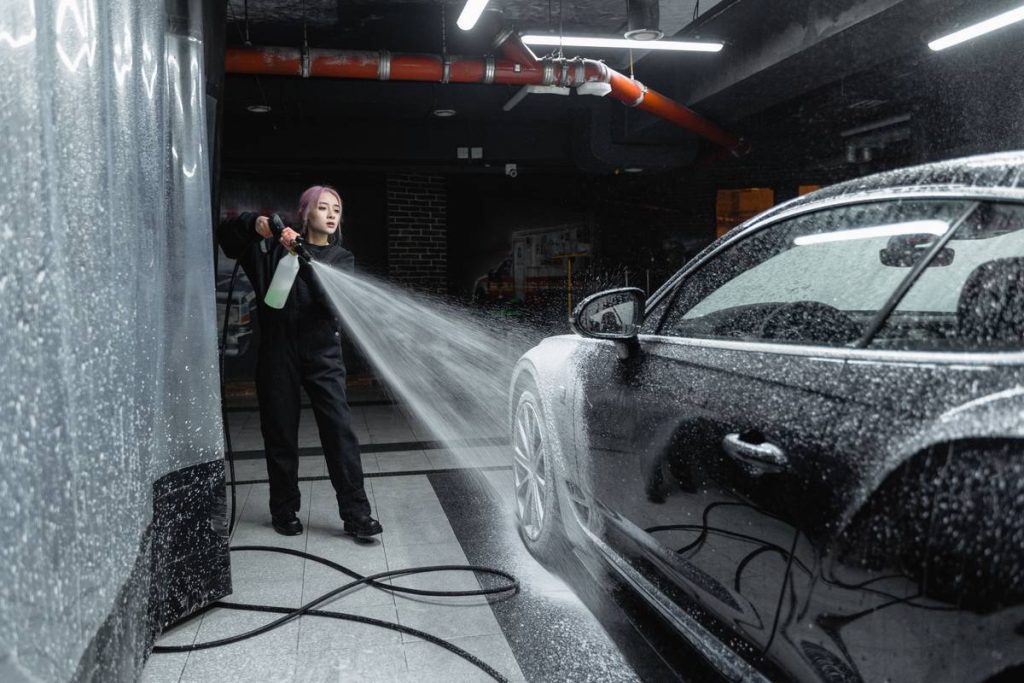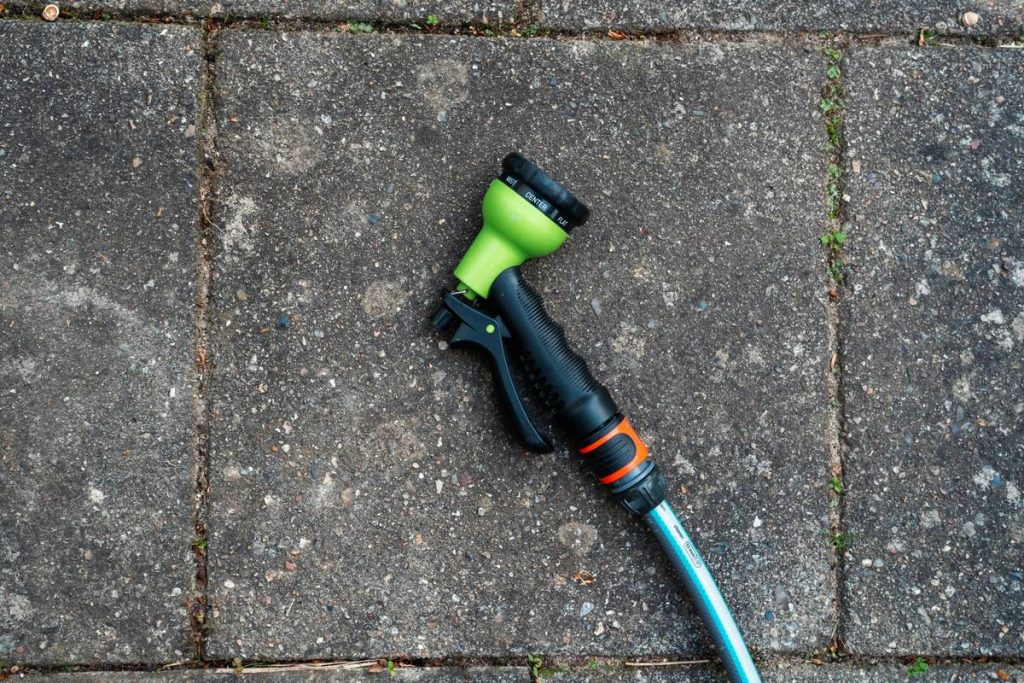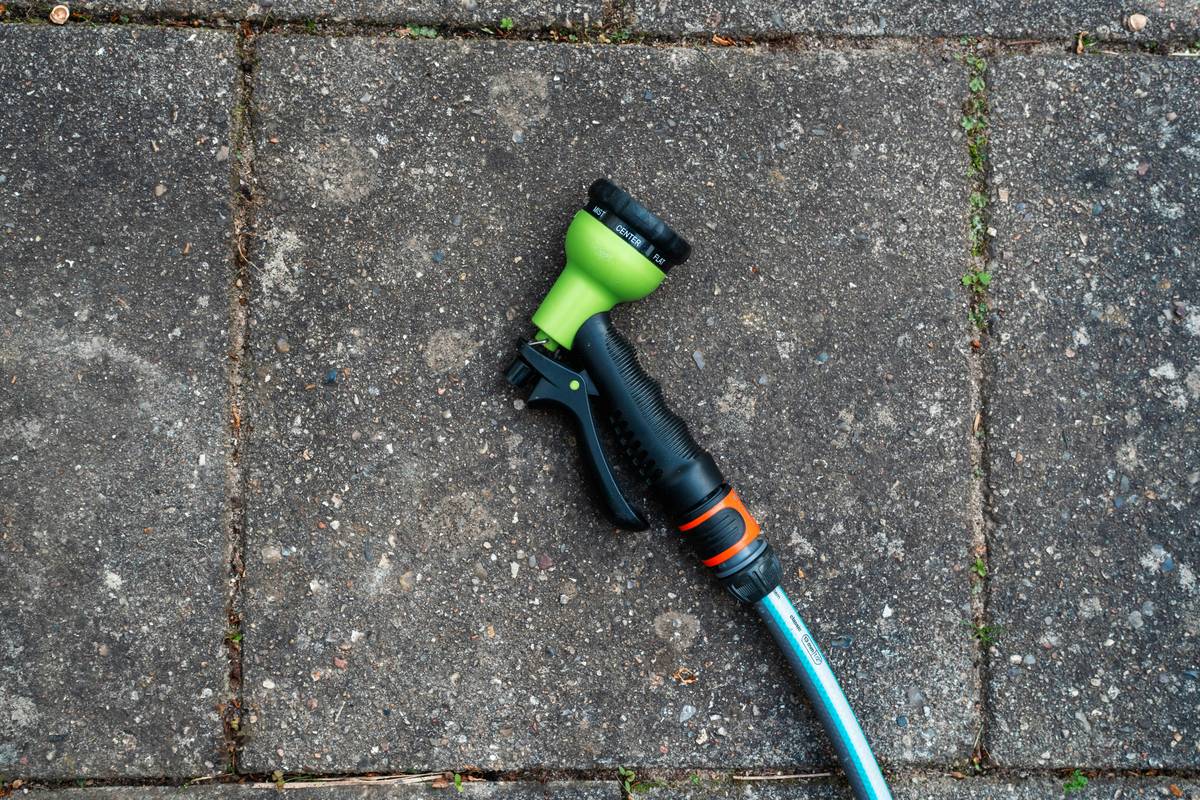
Ever spent half your Saturday drenching your roses while your tomatoes wilted nearby—because your hose nozzle blasted everything like a fire hydrant? You’re not alone. Most gardeners underestimate how much control matters until they’ve drowned seedlings or wasted gallons of water trying to rinse patio furniture. An adjustable nozzle spray can isn’t just a fancy attachment—it’s your secret weapon for efficiency, plant health, and sanity. In this guide, we’ll walk through why precision spraying transforms outdoor chores, how to use these tools correctly, and the biggest blunders to dodge (yes, I once cracked a terracotta pot with a jet setting—I’ll explain).
Table of Contents
- Why Hose Control Matters in Home Improvement
- Step-by-Step Guide to Mastering Your Adjustable Nozzle
- 5 Best Practices for Long-Lasting Performance
- Real Results: How Gardeners Save Time & Water
- Frequently Asked Questions
Key Takeaways
- An adjustable nozzle spray can delivers precise water flow—critical for delicate plants and tough cleaning tasks.
- Using the wrong spray pattern wastes up to 30% more water (EPA data).
- Metal nozzles outlast plastic but require winterization to prevent cracking.
- Store your nozzle disconnected to avoid pressure damage and leaks.
Why Hose Control Matters in Home Improvement
In home improvement, small upgrades often yield massive returns—and few are as overlooked as hose nozzle quality. According to the U.S. Environmental Protection Agency, households can reduce outdoor water use by 20–50% simply by using efficient irrigation tools. Yet many still rely on flimsy, single-setting nozzles that either flood or trickle. The result? Stressed plants, eroded soil, and sky-high water bills.
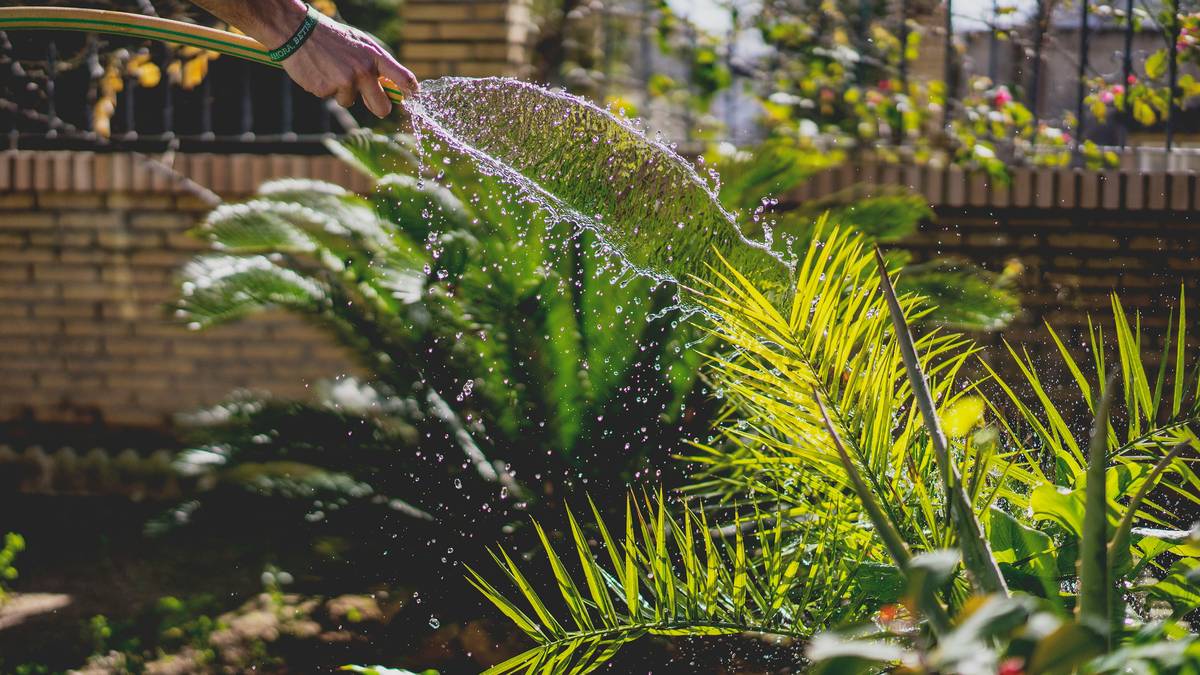
I learned this the hard way two summers ago. Eager to clean my deck, I cranked my cheap plastic nozzle to “jet”—only to watch it snap under pressure, sending shrapnel into my basil bed. Replacement cost: $12. Basil loss: irreplaceable. That’s when I upgraded to a brass-bodied adjustable nozzle spray can with eight settings, from gentle shower to focused stream. Game changer.
Step-by-Step Guide to Mastering Your Adjustable Nozzle
1. Identify Your Task’s Ideal Spray Pattern
Delicate seedlings need a fine mist; driveways demand a powerful flat fan. Match the pattern to the job:
- Mist/Soak: New transplants, hanging baskets
- Shower: Established flower beds, lawns
- Flat Fan: Cleaning sidewalks, rinsing pets
- Jet: Stubborn mud, gutter debris (use sparingly!)
2. Adjust Flow Before Turning On the Tap
Always set your desired pattern with the water OFF. Switching under pressure strains internal seals—a leading cause of leaks.
3. Maintain Consistent Distance
Hold the nozzle 12–18 inches from plants or surfaces. Closer increases erosion; farther reduces effectiveness.
5 Best Practices for Long-Lasting Performance
- Drain after use: Trapped water expands in cold temps, cracking housings. Disconnect and shake out excess.
- Choose brass over plastic: Metal resists UV degradation and lasts 3–5x longer (EPA WaterSense confirms durability impacts conservation).
- Avoid “all-on” storage: Never leave your nozzle connected to a pressurized hose overnight—it fatigues springs and O-rings.
- Clean aerators monthly: Mineral buildup clogs ports. Soak in vinegar for 15 minutes.
- Never use jet setting on plants: This “terrible tip” circulates online—but concentrated streams shred leaves and compact soil.
Real Results: How Gardeners Save Time & Water
After switching to a quality adjustable nozzle spray can, Portland gardener Lena R. cut her weekly watering time from 45 to 22 minutes while reducing runoff by half. Her trick? Using the “soak” setting for deep root hydration twice a week instead of daily sprinkling. Similarly, a University of California cooperative extension study found gardens using variable-flow nozzles used 27% less water annually versus fixed-spray models—without sacrificing plant health.
And yes, my deck? Now spotless in under ten minutes with zero collateral damage. Worth every penny.
Frequently Asked Questions
Can I use an adjustable nozzle spray can with a standard garden hose?
Yes—nearly all models use universal ¾-inch female threads compatible with standard hoses sold in the U.S.
How do I fix a leaking adjustable nozzle?
Often, it’s a worn rubber washer. Replace it (kits cost under $3) or soak the nozzle in vinegar to dissolve mineral deposits jamming the seal.
Are metal nozzles worth the extra cost?
Absolutely. While plastic versions average 1–2 years of life, brass nozzles regularly last 5+ years with basic care—making them cheaper long-term.
What’s the best setting for watering new grass seed?
Use the “mist” or “shower” setting to keep soil moist without displacing seeds. Avoid anything stronger for the first 3 weeks.
Can adjustable nozzles help with pest control?
Indirectly—yes. A strong “flat fan” spray can dislodge aphids and spider mites from ornamentals without chemicals, per UC IPM guidelines.
Do I need to winterize my nozzle?
If you live where temps drop below freezing, yes. Drain, disconnect, and store indoors to prevent ice expansion cracks.
Mastering your adjustable nozzle spray can turns chaotic watering into calm, controlled care—one precise drop at a time. Ready to upgrade your outdoor routine? We’d love to hear your story or help you choose the right tool. Reach out via our Contact Us page. And if you’re curious about our testing standards or values, check out our About Us section. Your privacy matters too—we never share your data; see our full Privacy Policy for details.
Final thought? Don’t hose down your garden—*orchestrate* it.