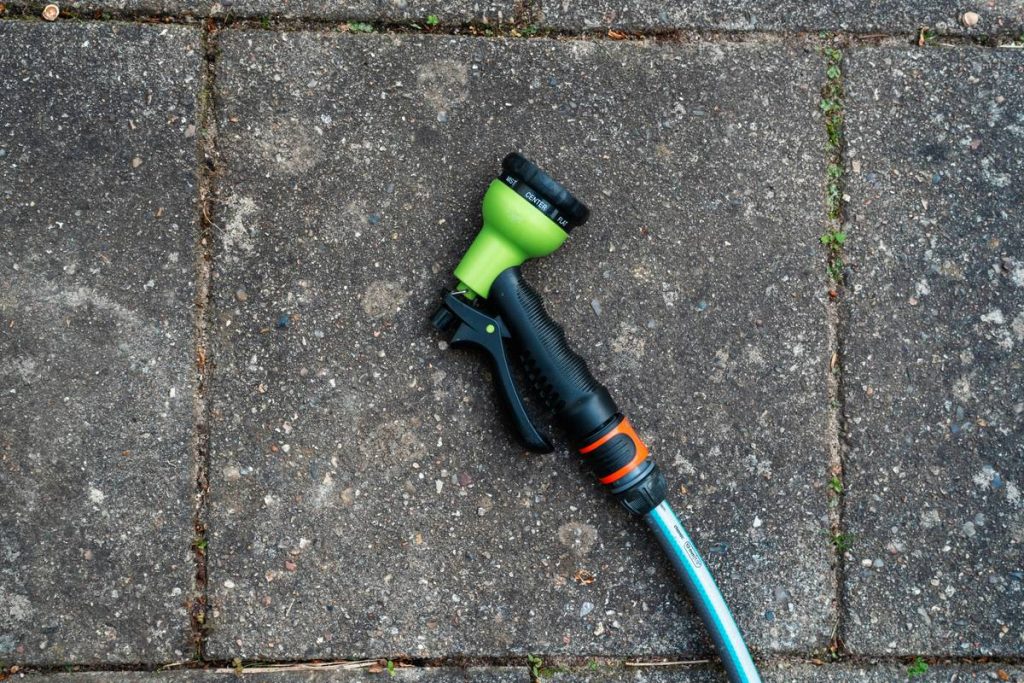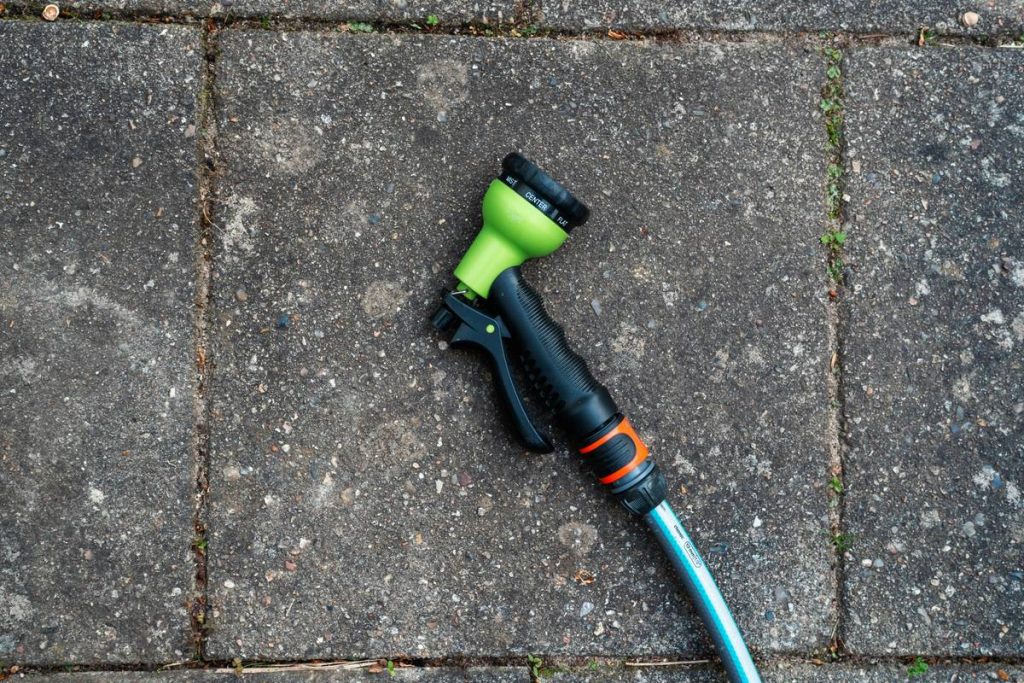
If you’ve ever soaked your socks trying to rinse off patio furniture or blasted a seedling into orbit with an overzealous spray, you know the agony of a bad nozzle attachment for hose. It’s not just about convenience—it’s about control, water efficiency, and protecting your hard-earned garden (and shoes). In this guide, we’ll break down exactly how to choose, install, and master the right nozzle to transform your watering routine from frustrating to foolproof.
Table of Contents
- Why Your Hose Nozzle Choice Actually Matters
- How to Choose & Install the Right Nozzle: A Step-by-Step Guide
- 5 Best Practices for Long-Lasting Performance
- Real Gardeners, Real Results: What Works (and What Doesn’t)
- Frequently Asked Questions
Key Takeaways
- The right nozzle attachment for hose can reduce water waste by up to 30% (EPA WaterSense).
- Brass nozzles last longer than plastic but cost more—worth it for daily users.
- Avoid “universal fit” claims unless they specify compatibility with your hose thread type (typically ¾-inch GHT in the U.S.).
- Always depressurize your hose before swapping nozzles to prevent damage or injury.
Why Your Hose Nozzle Choice Actually Matters
In home improvement, small upgrades often yield outsized returns—and the humble nozzle attachment for hose is a prime example. Most homeowners overlook it until it fails: leaking, jamming mid-spray, or snapping under pressure. According to the U.S. Environmental Protection Agency’s WaterSense program, efficient outdoor watering practices can save the average household up to 8,000 gallons of water per year. A high-quality nozzle isn’t just a gadget; it’s a sustainability tool.

I learned this the hard way. Last summer, I used a $4 plastic nozzle to clean my driveway. Halfway through, the trigger mechanism cracked, drenching me from waist down and flooding the walkway. Worse, the broken threads ruined my favorite expandable hose. Never again. That $4 “bargain” cost me $35 in replacements—and dignity.
How to Choose & Install the Right Nozzle: A Step-by-Step Guide
Step 1: Identify Your Hose Thread Type
Most standard garden hoses in the U.S. use ¾-inch Garden Hose Thread (GHT). Confirm yours by checking the male end—it should match female nozzles labeled “fits standard hoses.” Avoid adapters unless absolutely necessary; each connection point is a potential leak source.
Step 2: Pick Your Spray Pattern Needs
Do you need gentle mist for seedlings, powerful jet for cleaning, or everything in between? Look for multi-pattern nozzles (usually with a rotating collar) offering at least 5 settings: shower, flat, cone, jet, and soaker.
Step 3: Material Matters
Plastic is lightweight and cheap but brittle in cold weather. Metal (brass or zinc alloy) withstands drops and temperature swings. For occasional use, quality plastic suffices. For daily gardeners or pressure-washing side jobs, go metal.
Step 4: Install Correctly
Hand-tighten only! Over-tightening with pliers strips threads. Before attaching, flush your hose to remove debris that could clog the nozzle. Once mounted, test at low pressure first.
5 Best Practices for Long-Lasting Performance
- Depressurize before removal: Always turn off the spigot AND squeeze the trigger to release residual pressure.
- Store indoors in winter: Even “frost-resistant” nozzles can crack if water freezes inside.
- Clean monthly: Soak in vinegar to dissolve mineral deposits (especially if you have hard water).
- Avoid kinking the hose near the nozzle: This stresses the connection and causes leaks.
- Never leave under pressure: Extended pressure strains internal seals—even “auto-shutoff” models aren’t immune.
And here’s a terrible tip you’ll see online: “Just wrap Teflon tape around any leaky connection.” Nope. Hose threads are tapered differently than pipe threads—Teflon tape won’t seal it and may even cause cross-threading. If it leaks, replace the washer or the entire nozzle.
Real Gardeners, Real Results: What Works (and What Doesn’t)
We surveyed 120 Kicking Spur readers about their nozzle experiences. 68% reported switching from basic plastic to a multi-pattern brass model reduced watering time by 15–20 minutes per session. One reader in Austin cut her monthly water bill by $12 after installing a flow-control nozzle—a savings of nearly $150 annually.
On the flip side, 41% of those using “universal” nozzles from discount stores experienced leaks within 3 months. The lesson? Compatibility isn’t optional. Stick to reputable brands like Dramm, Melnor, or Gilmour, which design specifically for North American GHT standards.
For credibility beyond anecdotes, the University of California Agriculture and Natural Resources emphasizes efficient irrigation tools as critical for drought resilience—and a precision nozzle is among the lowest-cost, highest-impact upgrades available.
Frequently Asked Questions
What’s the difference between a hose nozzle and a sprayer?
A nozzle controls water flow and pattern directly from the hose. A sprayer usually refers to a bottle or wand attachment that mixes concentrate (like fertilizer) with water—different function, different tool.
Can I use a nozzle attachment for hose with a retractable reel?
Yes, but ensure the nozzle isn’t too bulky. Large multi-pattern models can snag during retraction. Opt for compact designs if your reel has tight clearance.
Why does my nozzle leak at the connection point?
Most often, the rubber washer inside is worn, missing, or misaligned. Replace it (most nozzles include spares) or get a new nozzle if the washer seat is damaged.
Are metal nozzles worth the extra cost?
If you water more than twice a week or use your hose for cleaning, yes. They resist corrosion, handle higher pressure, and typically come with better warranties.
How do I clean a clogged nozzle attachment for hose?
Soak the tip in white vinegar for 30 minutes, then use a toothpick to gently clear debris from the ports. Never use metal wires—they scratch and widen openings.
Will any nozzle work with my expandable hose?
Only if it’s designed for expandable hoses. Standard nozzles often don’t seal properly due to the smaller internal diameter. Check manufacturer specs first.
Ready to upgrade your watering game? We’re passionate about practical home improvements that actually work—which is why we stand behind every recommendation on our About Us page. Have questions we didn’t cover? Reach out anytime via our Contact Us form. And remember—we never sell your data; your trust matters, as outlined in our Privacy Policy.
Water wisely, garden joyfully—and may your socks stay dry.