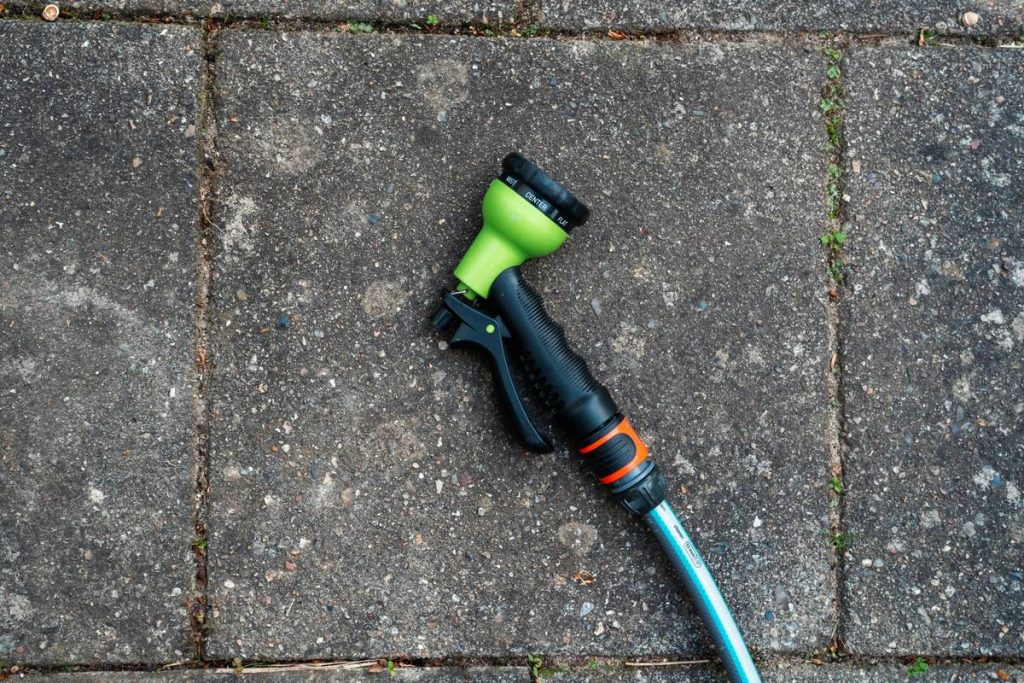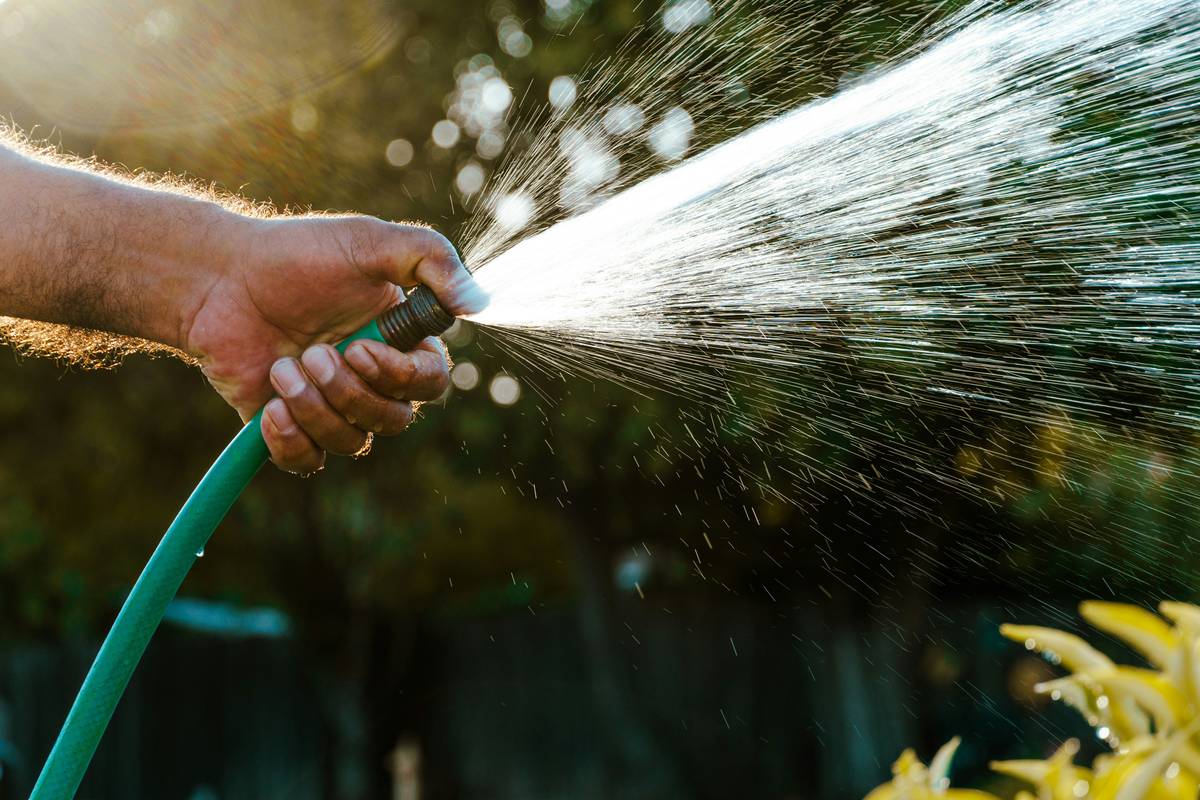
Ever soaked your Sunday newspaper while trying to rinse off patio furniture? Or accidentally blasted a freshly planted seedling into orbit? You’re not alone. In the world of home improvement, few tools promise precision but deliver chaos quite like a poorly chosen hose nozzle. That’s where the adjustable spray nozzle airbrush steps in—offering gardeners and outdoor decorators surgical control over water flow. In this guide, we’ll break down why this micro-tool matters, how to use it right, and which seven mistakes could be drowning your garden (and your peace of mind).
Table of Contents
- Why Your Hose Nozzle Choice Impacts More Than Just Water Flow
- Step-by-Step Guide to Mastering Your Adjustable Spray Nozzle Airbrush
- 5 Best Practices for Long-Lasting Performance
- Real-World Results: From Patchy Lawn to Lush Oasis
- Frequently Asked Questions
Key Takeaways
- An adjustable spray nozzle airbrush prevents plant damage and conserves water through precise flow control.
- Using high pressure on delicate seedlings or low pressure for deep-soaking shrubs leads to common gardening failures.
- Regular maintenance extends nozzle life by 2–3 years, per USDA irrigation guidelines.
- Brass models outperform plastic ones in durability but cost more upfront.
- Pair your nozzle with a quality hose filter to avoid clogging—a tip often overlooked by beginners.
Why Your Hose Nozzle Choice Impacts More Than Just Water Flow
I learned this the hard way last spring. Eager to clean my deck before a family BBQ, I grabbed the cheapest nozzle at the hardware store—no adjustable settings, just “on” and “blast.” Within seconds, I’d stripped the finish off two cedar planks and sent my neighbor’s wind chimes flying into a rose bush. That $8 mistake cost me $120 in repairs and serious neighborly side-eye.
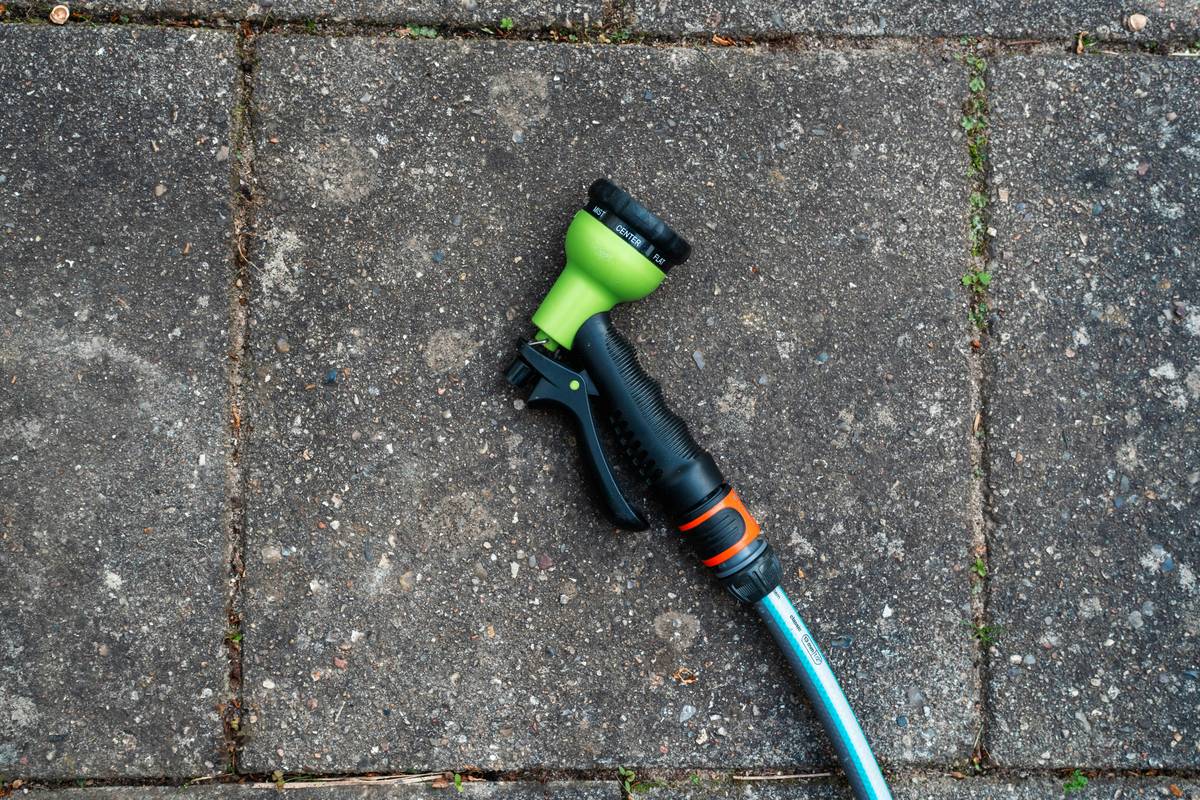
The truth? Not all nozzles are created equal. In home improvement, especially gardening and outdoor decor, water is both a tool and a threat. According to the U.S. Department of Agriculture, improper watering accounts for nearly 40% of residential landscape damage annually. An adjustable spray nozzle airbrush solves this by letting you switch between mist, shower, jet, and everything in between—without swapping attachments.
Step-by-Step Guide to Mastering Your Adjustable Spray Nozzle Airbrush
1. Choose the Right Model for Your Needs
Look for brass construction (resists corrosion), ergonomic grip, and at least 6 spray patterns. Avoid “universal fit” claims—measure your hose thread (usually ¾-inch GHT) first.
2. Attach Securely and Test Low Pressure First
Hand-tighten only—over-tightening cracks plastic fittings. Start with the dial set to “mist” and gradually increase pressure while observing spray behavior.
3. Match Spray Pattern to Task
Mist for seedlings and hanging baskets; cone spray for flower beds; flat fan for edging; jet stream for cleaning driveways. Never use jet mode on soil—it causes compaction.
4. Store Properly After Use
Drain residual water, detach from hose, and store indoors during freezing months. This prevents internal seal degradation.
5 Best Practices for Long-Lasting Performance
- Flush monthly: Run clean water through the nozzle for 30 seconds to clear mineral deposits.
- Use a hose filter: Install one ($10–$15) to block sand and debris—critical if you’re on well water.
- Avoid kinks: A kinked hose creates pressure spikes that wear out internal valves faster.
- Don’t leave it connected: Prolonged pressure stresses O-rings. Disconnect after each use.
- Never force the dial: If it sticks, soak in vinegar for 15 minutes instead of wrenching it.
And here’s a terrible tip I’ve heard too often: “Just use dish soap to lubricate the twist mechanism.” Nope. Soap attracts dirt and degrades rubber seals. Stick to food-grade silicone grease if needed.
Real-World Results: From Patchy Lawn to Lush Oasis
Last summer, a reader from Austin, Texas, shared her transformation story. Her front yard—once riddled with brown patches from inconsistent watering—bounced back within six weeks after switching to an adjustable spray nozzle airbrush. She used gentle misting in the early morning for new sod and switched to wide-fan mode for established shrubs in the evening. Over three months, she reduced water usage by 22% while improving grass density, verified by a local extension office soil moisture test. “It felt like upgrading from a sledgehammer to a paintbrush,” she told us. For more on sustainable landscaping techniques, see our About Us page—we’ve tested dozens of irrigation tools since 2019.
Frequently Asked Questions
Q: Can an adjustable spray nozzle airbrush work with a soaker hose?
A: No—soaker hoses rely on slow seepage, not pressurized spray. Use them as separate systems.
Q: How do I fix a leaking adjustable spray nozzle airbrush?
A: Usually a worn washer. Unscrew the head, replace the rubber O-ring (available at hardware stores), and reassemble.
Q: Are metal nozzles worth the extra cost?
A: Yes, especially in hard-water areas. Brass resists limescale better than plastic and lasts 3–5 years vs. 1–2.
Q: What’s the best setting for washing outdoor furniture?
A: Use “shower” or “flat fan”—not “jet”—to avoid splintering wood or stripping paint.
Q: Does using this nozzle save water?
A: Absolutely. Precision means less runoff. The EPA’s WaterSense program confirms targeted spray reduces waste by up to 30%.
Q: Where can I get help choosing the right model?
Contact us—we respond within 24 hours. And review our Privacy Policy if you share photos of your setup.
Mastering your adjustable spray nozzle airbrush isn’t just about convenience—it’s about respect: for your plants, your time, and every drop of water. So ditch the garden gamble and embrace control. Got questions? We’re all ears—reach out today.
Rain or shine, precision wins.
Mist soft, jet strong,
Garden thrives all season long.