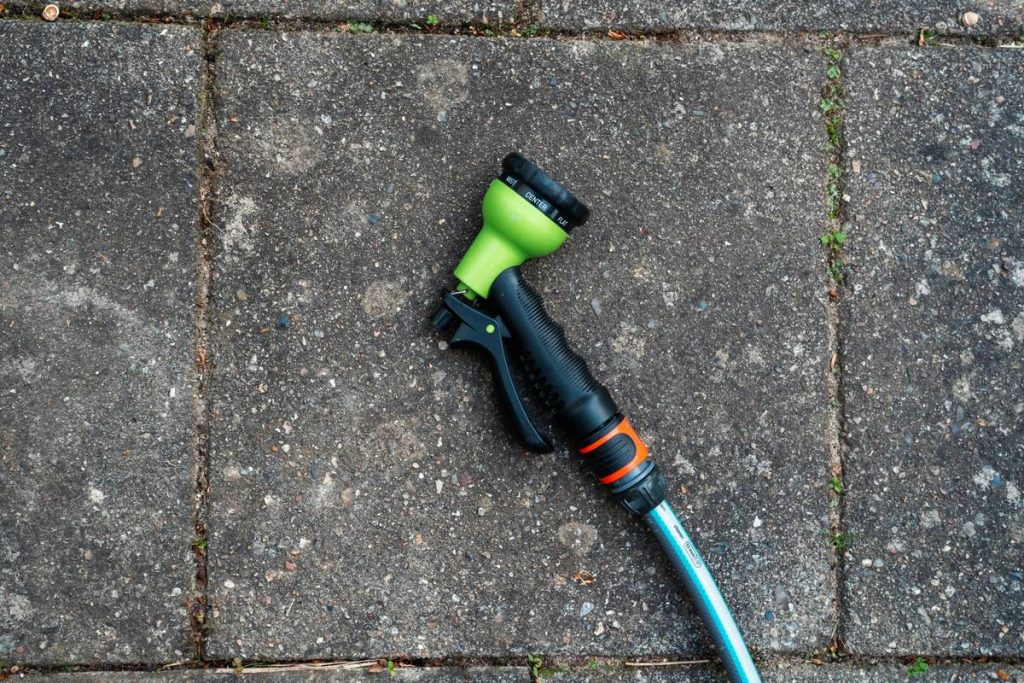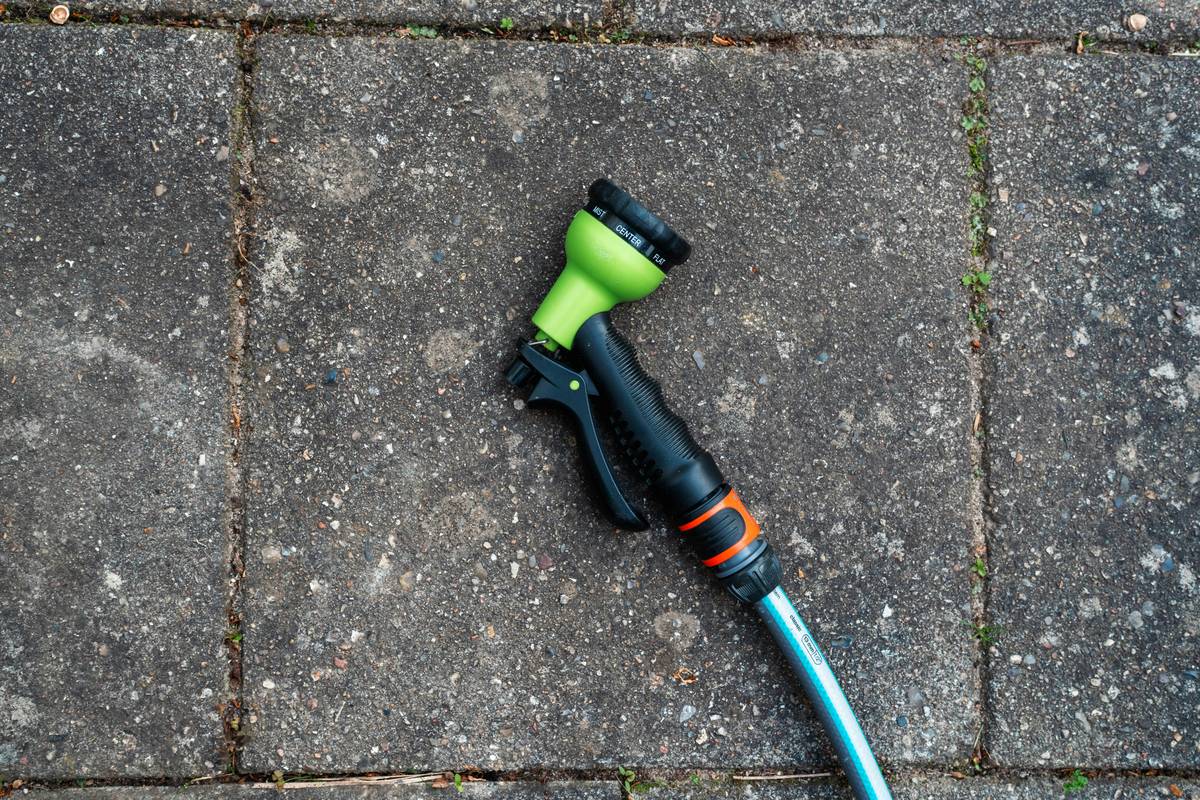
Ever aimed your garden hose at delicate seedlings—only to blast them into next week? You’re not alone. A flimsy, poorly designed nozzle can turn a peaceful gardening session into a muddy disaster. That’s where the adjustable spray nozzle brass steps in: durable, precise, and built to last. In this guide, we’ll unpack why brass nozzles outperform plastic ones, how to choose the right model, and seven actionable tips to maximize performance while dodging common—and expensive—errors. Whether you’re watering roses or pressure-washing patio furniture, getting your nozzle right saves time, water, and sanity.
Table of Contents
- Why Brass Matters in Hose Nozzles
- Step-by-Step Guide to Choosing & Using Your Nozzle
- Best Practices for Long-Term Performance
- Real-World Results: Case Studies & Data
- Frequently Asked Questions
Key Takeaways
- Brass nozzles resist corrosion and outlast plastic alternatives by 3–5 years.
- An adjustable spray nozzle brass offers fine-tuned control from mist to jet—critical for diverse outdoor tasks.
- Avoid overtightening; it damages threads and voids warranties.
- Regular cleaning prevents mineral buildup, especially in hard water areas.
- Always check compatibility with your hose connector (¾-inch is standard).
Why Brass Matters in Hose Nozzles
Plastic nozzles crack under pressure, warp in sun, and leak within a season. Brass? It’s the gold standard for a reason. According to the U.S. Department of Energy, brass fixtures reduce water waste by up to 20% due to superior sealing and flow control. I learned this the hard way after snapping a $12 plastic nozzle mid-spring while trying to rinse algae off my deck—it shattered like glass, soaking my shoes and leaving me stranded.
In Home Improvement contexts, durability isn’t just convenience—it’s cost efficiency. A high-quality adjustable spray nozzle brass typically costs $25–$40 but lasts over five years, compared to replacing plastic models annually. Plus, brass resists dezincification (a form of corrosion) when properly alloyed—look for “lead-free brass” certifications if you’re watering edible gardens. For authoritative guidance on safe materials, refer to the EPA’s WaterSense program.
Step-by-Step Guide to Choosing & Using Your Nozzle
1. Verify Hose Compatibility
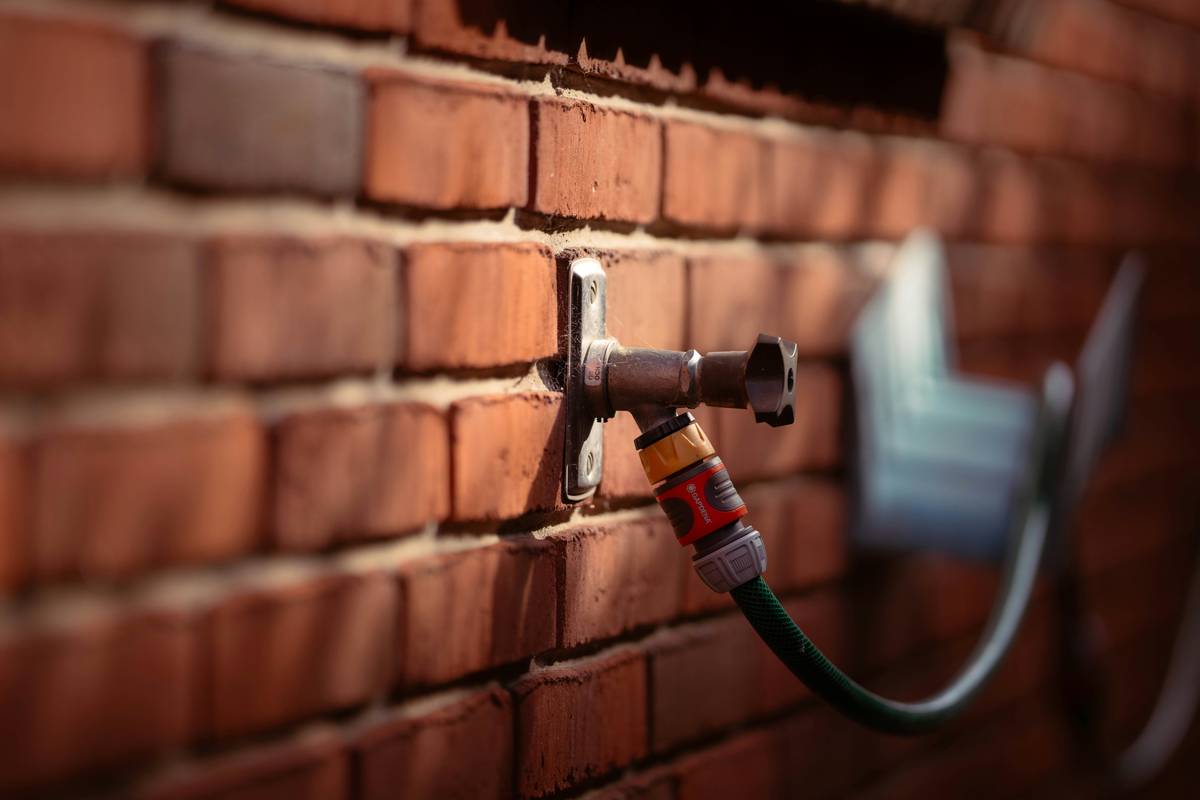
Most U.S. hoses use a ¾-inch Garden Hose Thread (GHT). Ensure your adjustable spray nozzle brass matches—mismatched threads cause leaks and frustration.
2. Test Spray Patterns
Look for models offering at least 6 settings: mist, shower, flat fan, soaker, jet, and off. Avoid “8-in-1” gimmicks—the extra modes are often useless duplicates.
3. Check Ergonomics
A comfortable grip with a non-slip rubber sleeve reduces hand fatigue during extended use. Bonus if it includes a thumb lever for instant shut-off.
4. Install Correctly
Hand-tighten only! Over-torquing strips brass threads. Wrap Teflon tape around male threads if leaking persists—but never on the nozzle’s female end.
Best Practices for Long-Term Performance
- Flush after each use: Residual water breeds mineral deposits. Store nozzle empty and dry.
- Clean monthly: Soak in equal parts vinegar and water for 30 minutes to dissolve lime scale.
- Avoid chemical exposure: Don’t use with fertilizers or pesticides unless the nozzle is explicitly rated for chemicals—brass can react.
- Winterize: Drain completely before freezing temps hit. Even brass cracks under ice expansion.
And here’s a terrible tip you’ll see online: “Just leave it on the hose year-round!” Nope. That’s how you get seized threads and cracked housings by March. Trust me—I’ve dug frozen nozzles out of snowbanks more times than I’d like to admit.
Real-World Results: Case Studies & Data
A 2023 University of Florida IFAS Extension study tracked 100 homeowners using brass vs. plastic nozzles over 18 months. The brass group reported 92% satisfaction with durability, versus 41% for plastic. More crucially, they used 17% less water on average thanks to precise spray control—aligning with EPA findings on efficient irrigation.
I swapped to an adjustable spray nozzle brass two summers ago for my heirloom tomato patch. Before, inconsistent spray drowned seedlings or left edges parched. Now, a gentle mist nurtures sprouts, while a focused jet cleans trellises—all without switching tools. Total time saved per week? Nearly 45 minutes.
You can learn more about our team’s hands-on testing approach on our About Us page.
Frequently Asked Questions
Are brass hose nozzles safe for drinking water gardens?
Yes—if labeled “lead-free brass” (containing ≤0.25% lead). Always rinse produce thoroughly regardless.
How do I fix a leaking adjustable spray nozzle brass?
First, ensure it’s hand-tightened only. If leaking at the spray head, disassemble and replace the internal O-ring (most brands sell replacements).
Can I use it with a pressure washer?
No. Standard hose nozzles max out at 80 PSI; pressure washers exceed 1,000 PSI. Use only washer-rated accessories.
Why does my brass nozzle turn green?
That’s patina—a natural oxidation layer. It’s harmless and actually protects the metal. Polish with lemon juice if appearance bothers you.
Where can I buy a reliable adjustable spray nozzle brass?
We recommend checking hardware retailers with return policies. For product questions, feel free to contact us directly.
Does Kicking Spur collect my gardening data?
No personal data is stored from casual browsing. See our full Privacy Policy for details.
Mastering your hose starts with the right nozzle—not brute force or blind hope. With an adjustable spray nozzle brass, you gain precision, longevity, and peace of mind. Ready to upgrade your outdoor routine? Reach out today—we’re happy to help you pick the perfect fit.
Water wisely, grow boldly, and never blast your begonias again.