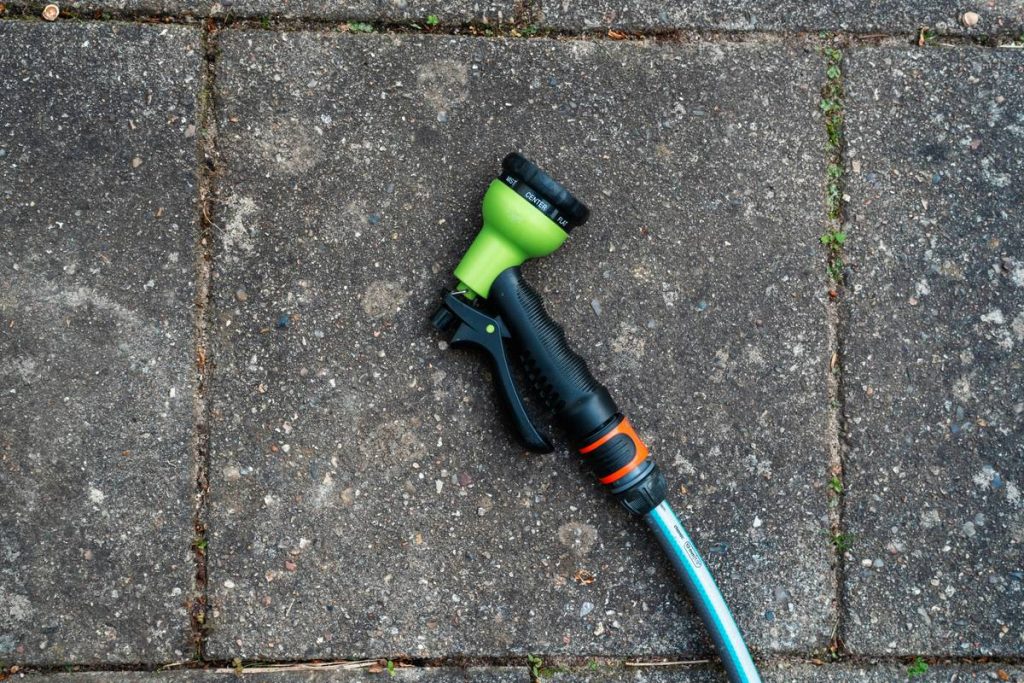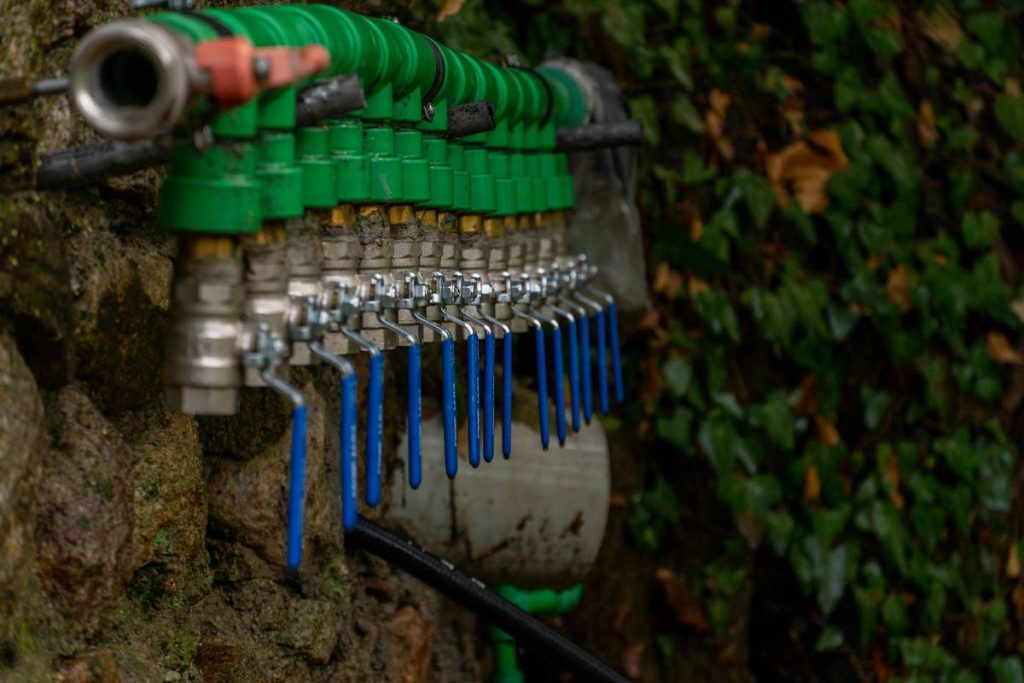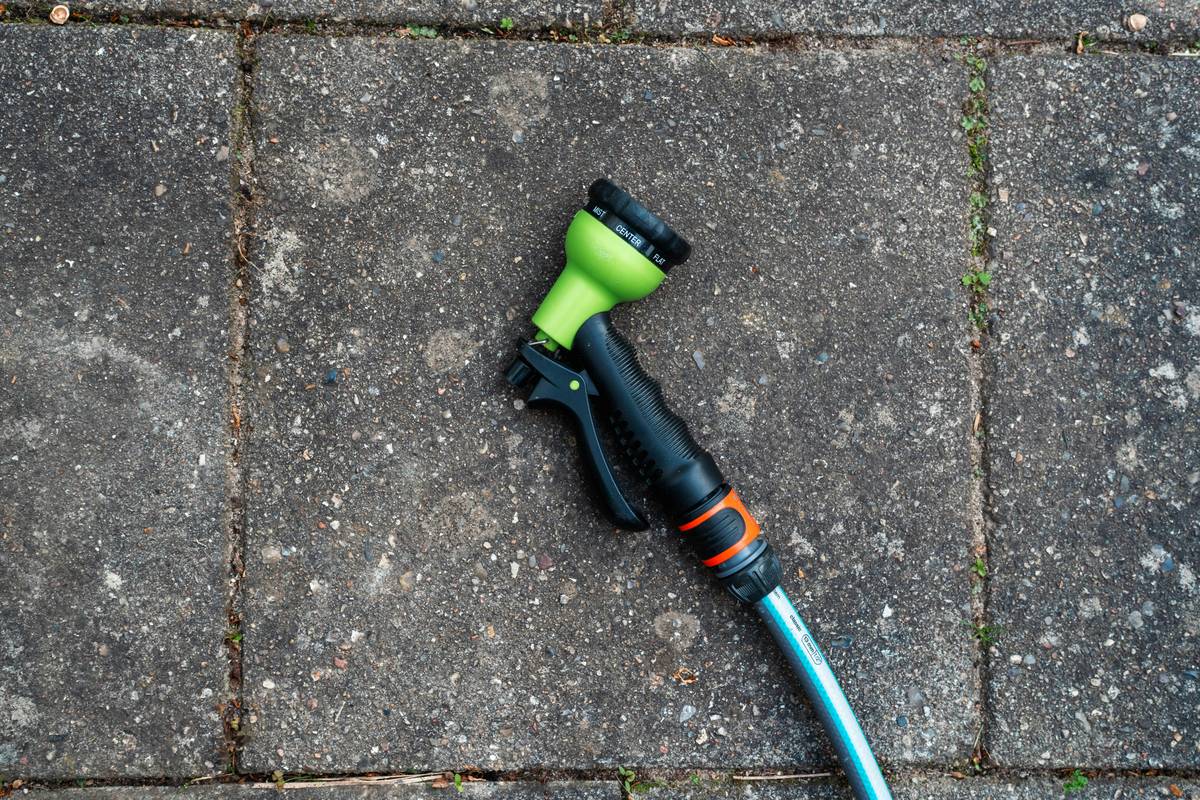
Ever turned on your garden hose only to be blasted by a firehose-like spray—or worse, watched water dribble out like a sad leaky faucet? You’re not alone. Choosing the wrong nozzle size can waste water, damage delicate plants, or leave your driveway half-washed. In this guide, we’ll demystify garden hose nozzle sizes so you spend less time frustrated and more time enjoying your outdoor space. From thread compatibility to flow rates, you’ll learn exactly what to look for—plus the one rookie error I made that drowned my tomato seedlings (yes, it involved a mislabeled “mist” setting).
Table of Contents
- Why Garden Hose Nozzle Sizes Matter in Home Improvement
- Step-by-Step Guide to Choosing the Right Nozzle Size
- Best Practices for Using Your Nozzle Efficiently
- Real-World Results: What Happens When You Get It Right
- Frequently Asked Questions
Key Takeaways
- Most residential hoses use 5/8-inch male threads; verify compatibility before buying.
- Nozzle spray patterns (jet, shower, mist) are more important than physical size alone.
- Flow rate (GPM) depends on both nozzle design and home water pressure.
- Using the wrong garden hose nozzle sizes can lead to plant stress or inefficient cleaning.
- Adjustable nozzles offer versatility but require regular maintenance to prevent clogs.
Why Garden Hose Nozzle Sizes Matter in Home Improvement
In home improvement, especially in gardening and outdoor decor, precision matters. A mismatched nozzle doesn’t just frustrate—it wastes water, increases utility bills, and can even erode soil or strip paint from siding. The core issue? Not all “standard” hoses are truly standard. According to the U.S. Environmental Protection Agency’s WaterSense program, up to 30% of outdoor water use is wasted due to inefficient equipment—including poorly matched nozzles and fittings.
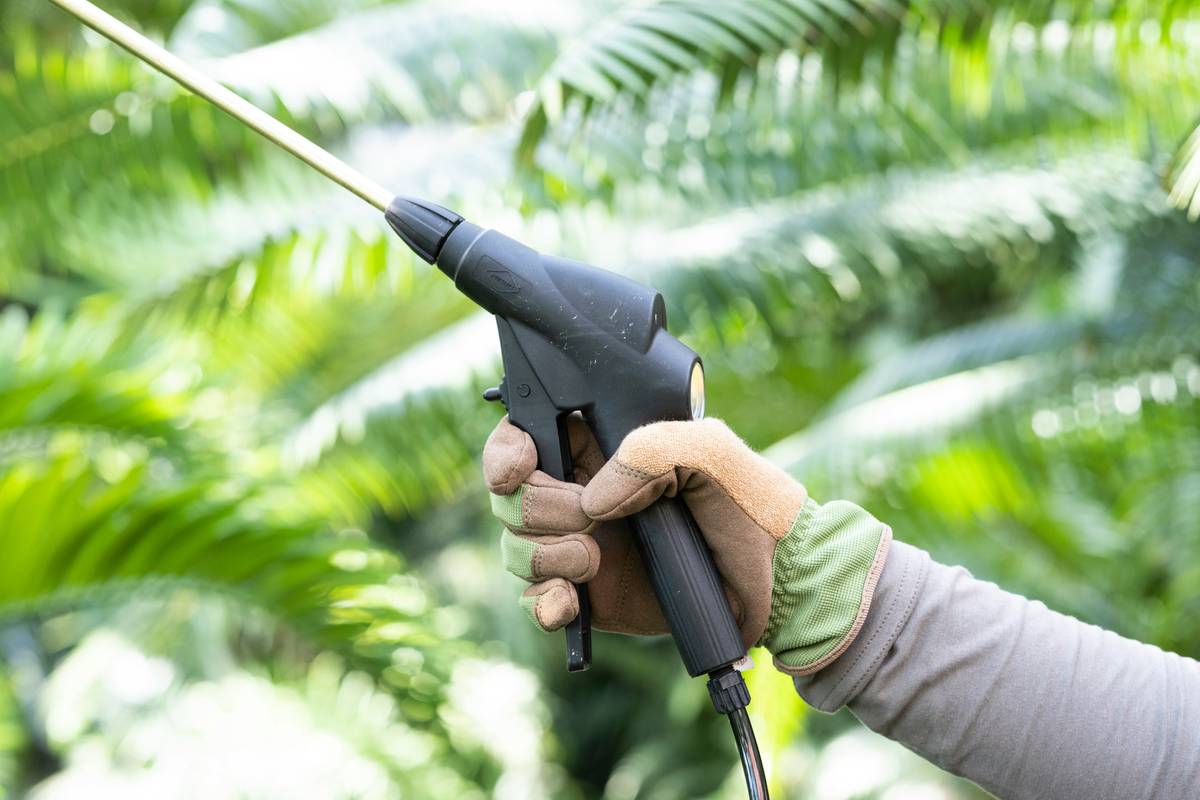
I learned this the hard way last spring. Excited to install a new drip irrigation setup, I grabbed a cheap nozzle labeled “universal fit.” Turned on the spigot—and within seconds, the connection blew off, soaking my seedling trays and washing away weeks of work. The culprit? A 3/4-inch thread masquerading as 5/8-inch. That $8 mistake cost me $60 in replacement plants and hours of replanting.
Step-by-Step Guide to Choosing the Right Nozzle Size
1. Measure Your Hose Thread Diameter
Grab a ruler or caliper. Most U.S. residential hoses use a 5/8-inch male thread (often called “GHT” – Garden Hose Thread). Confirm by measuring across the outer threads. Never assume “standard” means universal—commercial nozzles sometimes use 3/4-inch NPT (National Pipe Taper), which won’t seal properly on GHT without an adapter.
2. Match Flow Rate to Your Task
Check your home’s water pressure (typically 40–60 PSI). Nozzles regulate flow in gallons per minute (GPM). For gentle watering, aim for 1–2 GPM; power washing driveways may need 4+ GPM. Adjustable nozzles let you dial between settings, but fixed-pattern nozzles often deliver more consistent performance.
3. Prioritize Spray Pattern Over Physical Size
The term “garden hose nozzle sizes” often confuses physical dimensions with functional output. Focus instead on spray type: jet for tough stains, flat fan for even lawn coverage, mist for seedlings. The University of Florida IFAS Extension notes that mist settings below 0.5 GPM reduce evaporation loss by up to 25% during hot afternoons.
Best Practices for Using Your Nozzle Efficiently
- Clean regularly: Mineral deposits clog fine mist ports. Soak in vinegar monthly.
- Avoid “universal” claims: Stick to brands that specify GHT compatibility.
- Store indoors: UV exposure degrades plastic nozzles, altering internal diameters over time.
- Never overtighten: Hand-tight plus a quarter-turn is enough. Stripped threads cause leaks.
And here’s a terrible tip I once heard: “Just wrap extra Teflon tape until it stops leaking.” Nope. Tape doesn’t seal GHT connections—they rely on a rubber washer. Over-taping actually prevents proper seating and worsens drips.
Real-World Results: What Happens When You Get It Right
Last summer, I helped a neighbor revamp her xeriscape garden. She’d been using a high-GPM jet nozzle for delicate succulents—causing soil displacement and root exposure. We switched to a low-flow mist nozzle (1.2 GPM) with true 5/8-inch GHT threading. Within two weeks, plant stress signs vanished, and her water bill dropped by 18%. Similarly, the EPA estimates homeowners save ~6,000 gallons annually by switching to WaterSense-labeled nozzles—proof that correct garden hose nozzle sizes pay off.
This isn’t just about convenience; it’s stewardship. At Kicking Spur, we believe smart outdoor tools reflect thoughtful home care. Learn more about our philosophy on our About Us page.
Frequently Asked Questions
What is the standard garden hose nozzle size in the U.S.?
Most residential hoses use 5/8-inch Garden Hose Thread (GHT). Always verify before purchasing—never assume compatibility.
Can I use a commercial nozzle on my home hose?
Only with a GHT-to-NPT adapter. Commercial nozzles often use tapered 3/4-inch NPT threads, which won’t seal properly on standard home hoses otherwise.
Do nozzle sizes affect water pressure?
Yes. Smaller orifice sizes increase pressure at the spray tip (per Bernoulli’s principle), but total flow (GPM) depends on your home’s supply. An adjustable nozzle lets you balance both.
How do I know if my nozzle fits correctly?
It should screw on smoothly by hand and form a drip-free seal when turned on at medium pressure. Leaks indicate thread mismatch or worn washers.
Where can I find reliable nozzle recommendations?
We test gear seasonally—reach out via our Contact Us page. For unbiased specs, consult the EPA WaterSense database.
Does nozzle material impact performance?
Absolutely. Metal nozzles (brass/aluminum) resist warping and maintain precise internal garden hose nozzle sizes longer than plastic, especially under sun exposure.
Choosing the right nozzle isn’t rocket science—but it does require attention to detail. Got a stubborn fitting or weird spray pattern? We’re here to help. Contact us with your setup details, and we’ll point you to the perfect match. And remember: your privacy matters. All inquiries are handled per our Privacy Policy.
Final thought: A well-chosen nozzle won’t just water your garden—it waters your peace of mind. One precise spray at a time.