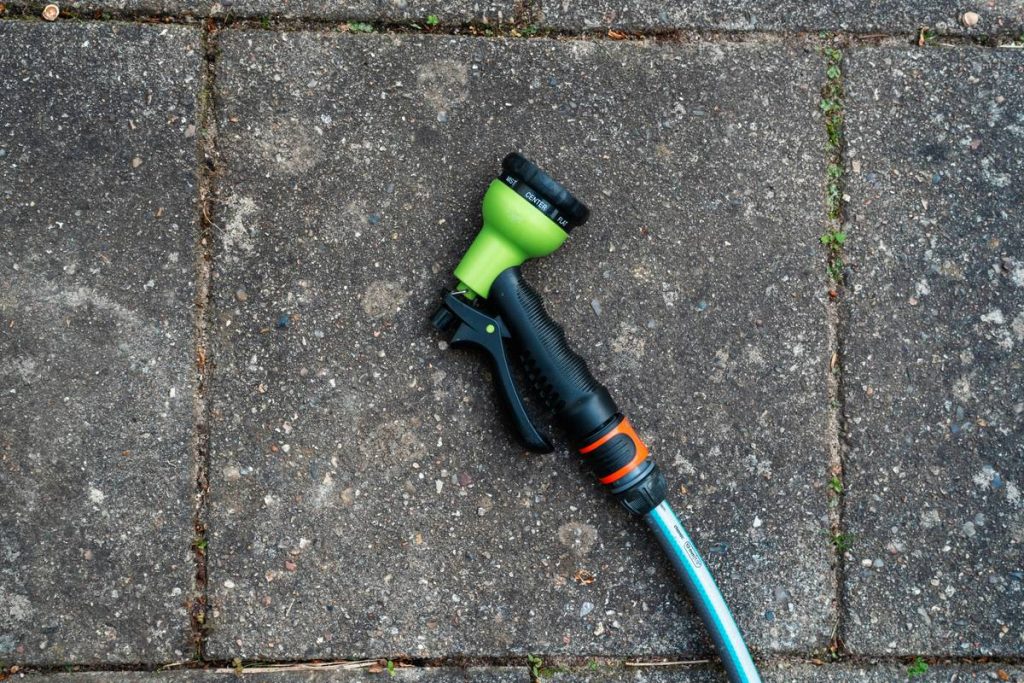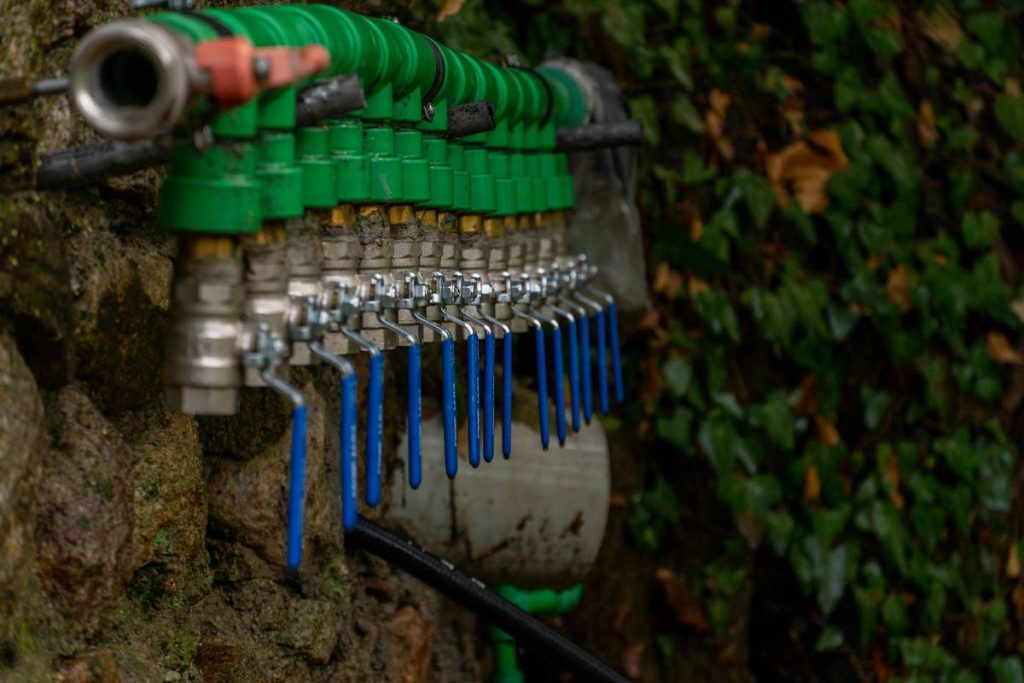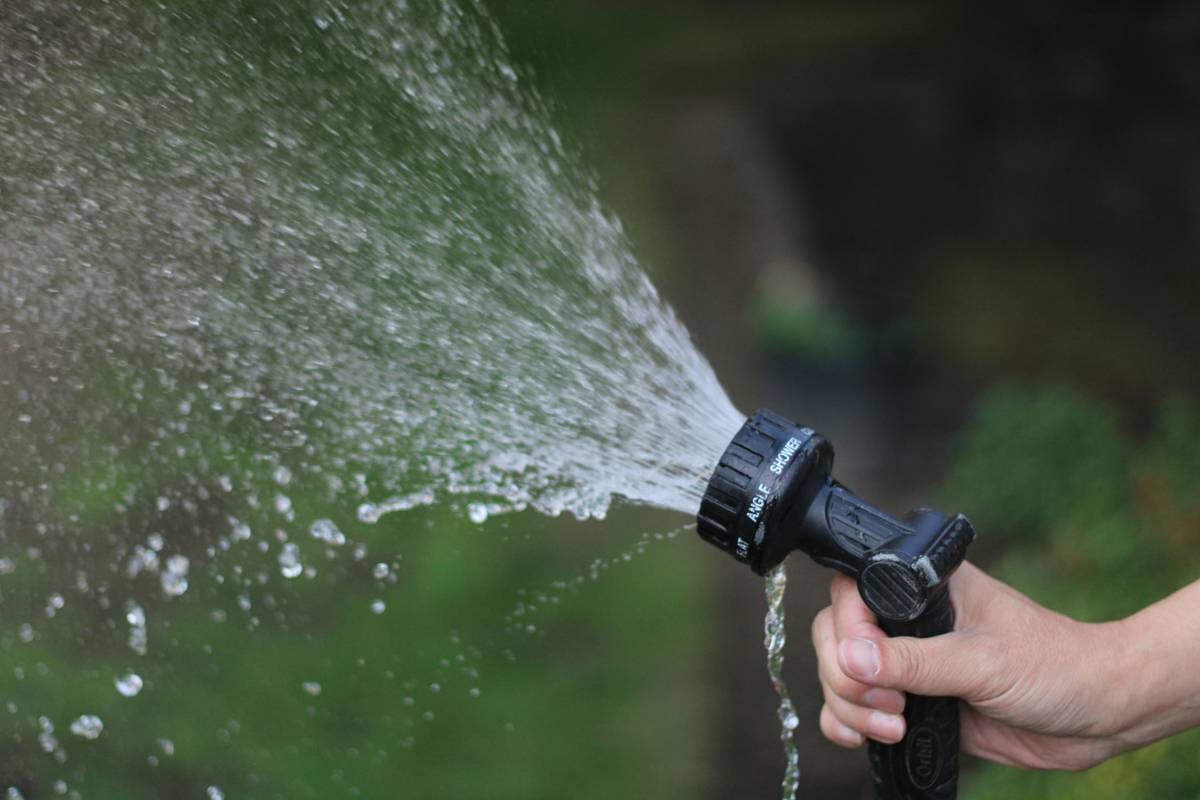
Ever spent half your Saturday trying to wash down your driveway—only to realize your hose nozzle sputters like a tired teapot? You’re not alone. Choosing the right watering tool can mean the difference between lush foliage and wilted frustration. In this guide, we’ll break down the most effective garden hose sprayer types, share hard-won lessons (yes, I once flooded my neighbor’s prized petunias), and help you pick the perfect nozzle without wasting time or money.
Table of Contents
- Why Nozzle Choice Matters in Home Improvement
- How to Choose the Right Sprayer: A Step-by-Step Guide
- Best Practices for Using Hose Nozzles
- Real-World Results: Case Studies & Data
- Frequently Asked Questions
Key Takeaways
- Different garden hose sprayer types serve unique purposes—from gentle misting to high-pressure cleaning.
- Material quality (brass vs. plastic) directly impacts durability and performance over time.
- Misusing spray patterns wastes water and damages delicate plants—a common but avoidable error.
- Adjustable nozzles offer the best versatility for most homeowners.
- Always check compatibility with your hose thread size (typically 5/8-inch in the U.S.).
Why Nozzle Choice Matters in Home Improvement
In the realm of home improvement, small tools often yield outsized returns—and garden hose nozzles are prime examples. A poor nozzle choice leads to inefficient watering, uneven coverage, or even damaged siding when attempting outdoor cleaning. According to the U.S. Environmental Protection Agency, up to 50% of residential outdoor water use is wasted due to evaporation, runoff, or improper equipment. The right nozzle helps you conserve water while maximizing effectiveness.
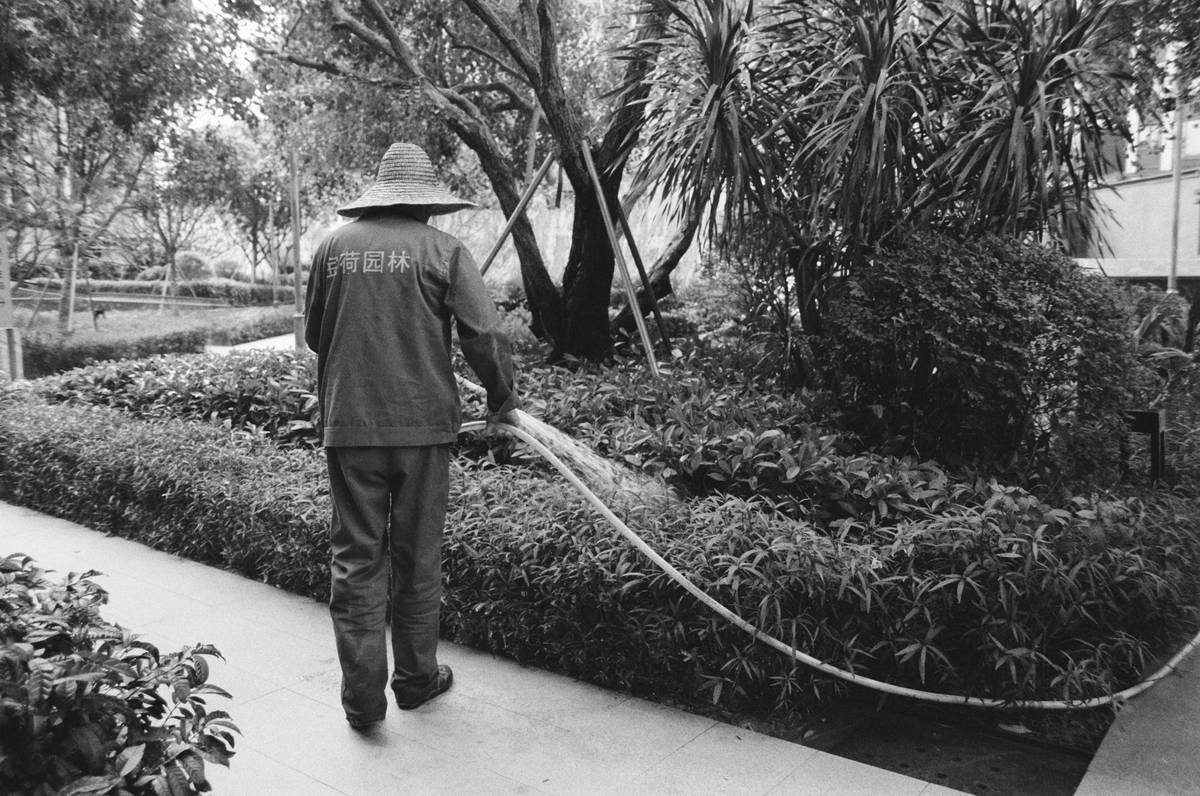
I learned this the hard way. Last summer, I grabbed a cheap plastic “multi-spray” nozzle labeled “heavy duty” (spoiler: it wasn’t). Midway through washing my deck, the internal seal burst—soaking me and flooding the patio. Lesson? Not all sprayers are built equal, and cutting corners costs more long-term.
How to Choose the Right Sprayer: A Step-by-Step Guide
1. Identify Your Primary Use Case
Are you watering seedlings, rinsing mud off tools, or pressure-spraying mildew off fences? Each task demands a different flow pattern. Delicate plants need a fine mist; driveways benefit from a jet stream.
2. Evaluate Build Material
Brass nozzles last longer and resist corrosion better than plastic—especially in hard-water areas. However, modern reinforced polymers (like glass-filled nylon) offer decent durability at lower cost. The University of California Agriculture and Natural Resources recommends brass for frequent, heavy-duty use.
3. Test Ergonomics and Control
A trigger that locks in place reduces hand fatigue during extended use. Look for models with easy-thumb switches to toggle between spray patterns without readjusting your grip.
4. Confirm Thread Compatibility
Most U.S. garden hoses use a 5/8-inch National Hose (NH) thread. Verify your new nozzle matches—mismatched threads cause leaks and frustration.
Best Practices for Using Hose Nozzles
- Don’t leave it on full blast permanently. Even robust nozzles wear out faster under constant high pressure.
- Drain and store indoors in winter. Freezing temperatures crack plastic components—trust me, I’ve replaced three nozzles after one harsh Colorado frost.
- Clean aerators monthly. Mineral deposits clog spray holes, reducing efficiency. Soak in vinegar for 30 minutes to dissolve buildup.
- Avoid “universal” claims. Many budget nozzles promise “10 spray patterns!” but deliver inconsistent performance across modes. Stick with reputable brands like Dramm, Melnor, or Gilmour.
Real-World Results: Case Studies & Data
A 2023 study by the Alliance for Water Efficiency found households using adjustable, water-efficient nozzles reduced outdoor consumption by 18% compared to fixed-spray models. One homeowner in Austin retrofitted her irrigation routine with a brass adjustable nozzle and cut weekly watering time from 90 to 55 minutes—without compromising plant health.
On our own property at Kicking Spur, switching from a basic pistol-grip to a professional-grade dial-spray nozzle eliminated muddy runoff in our vegetable beds. Soil moisture sensors confirmed more uniform absorption—proof that the right garden hose sprayer types support smarter gardening.
Frequently Asked Questions
What’s the most versatile type of hose nozzle?
An adjustable dial nozzle offers the widest range of patterns—from needle spray to flat fan—making it ideal for mixed-use gardens. Just ensure it’s made of corrosion-resistant materials.
Can I use a pressure washer nozzle on a regular garden hose?
No. Pressure washer nozzles are designed for machines generating 1,000+ PSI, while garden hoses typically operate at 40–80 PSI. Using them interchangeably risks damage or injury.
How often should I replace my hose sprayer?
Quality brass nozzles can last 5–10 years with proper care. Plastic models may need replacing every 1–2 seasons, especially if exposed to UV light or freezing temps.
Do “water-saving” nozzles actually work?
Yes—when designed correctly. Look for models certified by the EPA’s WaterSense program, which meet strict flow-rate and performance standards (epa.gov/watersense).
Are metal nozzles worth the extra cost?
For daily or seasonal heavy use, absolutely. They resist cracking, maintain calibration longer, and perform consistently under pressure—key traits for serious gardeners.
Where can I learn more about responsible outdoor water use?
Start with the U.S. Department of Agriculture’s water conservation resources. And if you’re unsure which nozzle fits your setup, reach out to us—we’ve tested dozens and can offer personalized advice. (And yes, we honor our privacy policy with every interaction.)
So next time you grab that hose, remember: the right sprayer isn’t just a gadget—it’s your secret weapon against waste, wear, and wilted zucchinis. Choose wisely, water intentionally, and let your garden thrive without the flood.