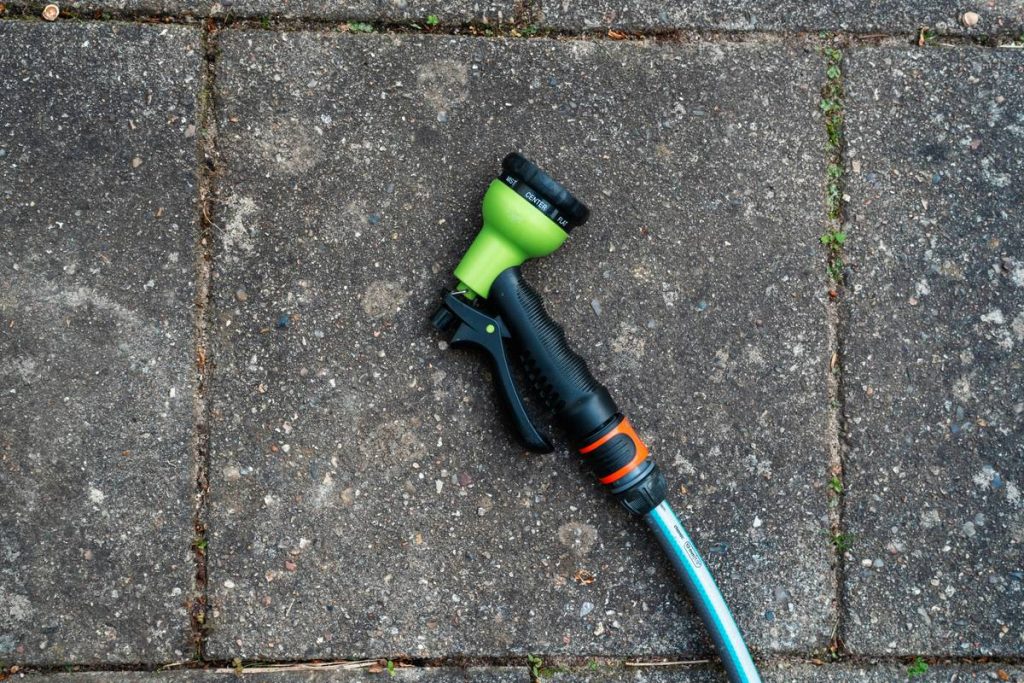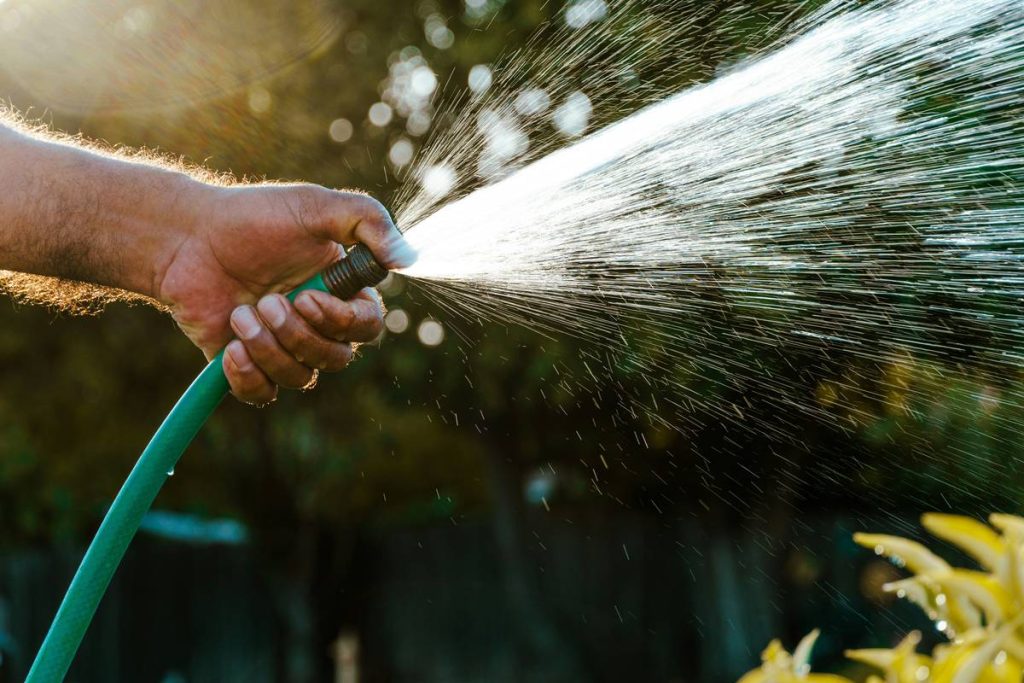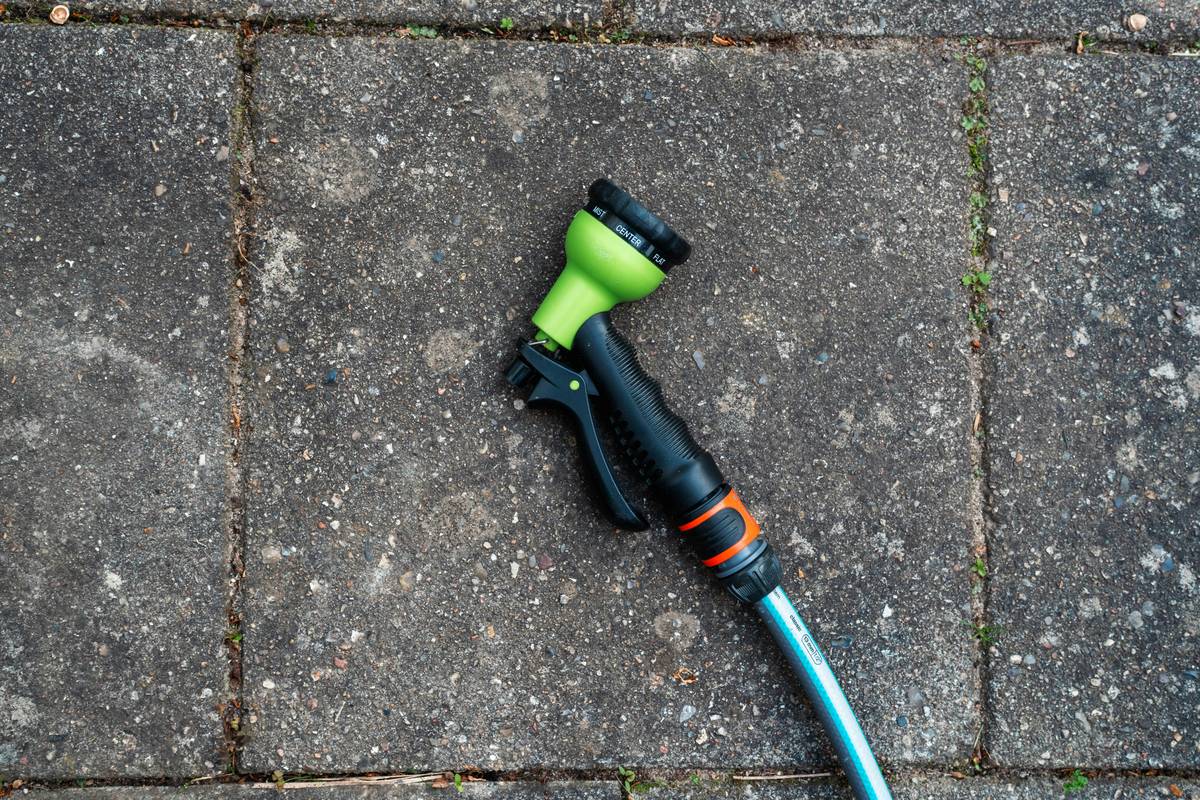
Ever stood in your backyard, hose in hand, only to be blasted by an uncontrolled geyser because your nozzle malfunctioned? You’re not alone. A flimsy or poorly chosen nozzle can turn a peaceful gardening session into a soggy, frustrating mess—and even damage delicate plants or waste hundreds of gallons of water. That’s where the right hose nozzle accessories come in. In this guide, we’ll break down exactly how to choose, use, and maintain them so your watering routine stays efficient, eco-friendly, and headache-free.
Table of Contents
- Why Hose Nozzle Accessories Matter
- Step-by-Step Guide to Choosing and Using Hose Nozzle Accessories
- Best Practices for Long-Lasting Performance
- Real-World Results with Smart Accessory Choices
- Frequently Asked Questions
Key Takeaways
- The right hose nozzle accessories prevent water waste, plant damage, and user fatigue.
- Metal nozzles outlast plastic but cost more—balance durability with budget.
- Always check thread compatibility (5/8-inch is standard in the U.S.).
- Quick-connect fittings and pressure regulators are game-changers for convenience.
- Regular maintenance extends lifespan and maintains spray precision.
Why Hose Nozzle Accessories Matter
In home improvement, especially within gardening and outdoor decor, control equals creativity. Without precise water flow, you can’t gently mist seedlings, power-wash patio stones, or rinse muddy paws without flooding your deck. I learned this the hard way when I bought a cheap, all-plastic nozzle labeled “multi-spray.” Midway through watering my tomato patch, the lever snapped off—leaving me stuck on “jet mode” and accidentally blasting half my basil into next door’s yard. Not my proudest gardening moment.
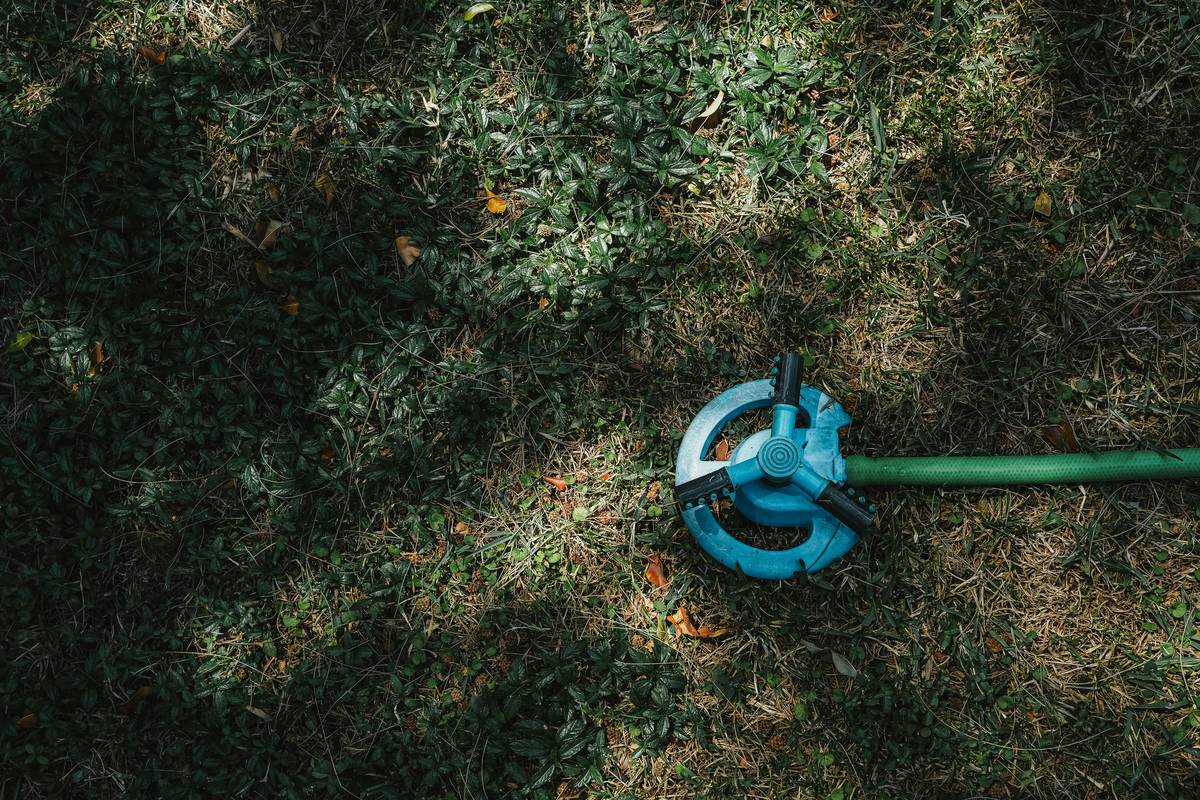
Beyond personal frustration, inefficient watering contributes to real resource waste. According to the U.S. Environmental Protection Agency (EPA WaterSense), up to 50% of outdoor water use is lost to evaporation, wind, or runoff—often due to improper tools like non-adjustable nozzles. The right hose nozzle accessories help you apply water only where and how it’s needed.
Step-by-Step Guide to Choosing and Using Hose Nozzle Accessories
1. Identify Your Primary Use Case
Are you nurturing seedlings, cleaning driveways, or filling kiddie pools? Each task demands different spray patterns. Opt for a nozzle with at least 6 settings—including mist, shower, flat fan, and jet.
2. Verify Thread Compatibility
Most U.S. garden hoses use 5/8-inch National Pipe Thread (NPT). Mismatched threads cause leaks or blow-offs. If you’re unsure, measure your hose end or consult your manufacturer’s specs.
3. Prioritize Material Quality
Avoid fully plastic nozzles—they crack under pressure or UV exposure. Brass or zinc alloy bodies with rubberized grips offer durability and comfort. Yes, they cost $15–$25 more, but they last years, not months.
4. Add Smart Accessories
Don’t stop at the nozzle. Consider:
- Quick-connect fittings: Swap tools in seconds without twisting.
- Inline shut-off valves: Pause flow mid-task without walking back to the spigot.
- Pressure regulators: Protect sensitive nozzles from high household PSI (common in newer homes).
Best Practices for Long-Lasting Performance
- Drain after use: Water left inside freezes in winter or promotes mineral buildup.
- Clean aerators monthly: Soak in vinegar to dissolve lime scale that clogs fine spray holes.
- Store indoors: UV rays degrade plastics and seals over time.
- Avoid kinking the hose: Kinks increase internal pressure, stressing nozzle joints.
And here’s a terrible tip I once followed: “Just wrap Teflon tape around any leaky connection.” Nope. Over-taping actually prevents proper seating and worsens leaks. Use proper washers instead.
Real-World Results with Smart Accessory Choices
A University of California Cooperative Extension study found that homeowners using adjustable nozzles with flow control reduced outdoor water use by 22% compared to fixed-spray models. One homeowner in Sacramento retrofitted her setup with a brass multi-pattern nozzle, a quick-connect system, and an inline shut-off. Over one summer, she cut her landscape water bill by $47—and reported far less wrist strain during long watering sessions.
At Kicking Spur, we’ve tested dozens of hose nozzle accessories in real gardens (not just labs). Our team’s hands-on experience confirms: the right combo pays off in durability, efficiency, and joy. After all, gardening should soothe—not soak—you.
Frequently Asked Questions
What’s the best material for hose nozzle accessories?
Brass and zinc alloys are most durable. Plastic may suffice for light use but fails under high pressure or prolonged sun exposure.
Can I use a pressure washer nozzle on a garden hose?
No. Pressure washer nozzles are designed for 1,000+ PSI; garden hoses deliver ~40–80 PSI. Using them together won’t work and may damage fittings.
How do I fix a leaking connection between hose and nozzle?
First, ensure the rubber washer is seated properly. Replace if cracked. Avoid over-tightening—hand-tight plus a quarter-turn is enough.
Do hose nozzle accessories save water?
Yes—especially those with shut-off triggers and mist settings. The EPA estimates smart nozzles can reduce outdoor water waste by up to 30%.
Where can I learn more about sustainable watering?
Check the EPA’s WaterSense program (epa.gov/watersense) for certified products and conservation tips.
What if my nozzle gets clogged?
Soak it in white vinegar for 30 minutes to dissolve mineral deposits. Use a soft brush—never a pin—to clear spray holes without damaging them.
Ready to upgrade your watering game? We’ve been there—drenched, annoyed, and basil-less. But with the right hose nozzle accessories, you’ll spend less time fighting your gear and more time enjoying your garden. Got questions we didn’t cover? Reach out to us—we love geeking out over garden tech. And remember: a good nozzle doesn’t just spray water… it cultivates calm. Or as we say around here: “Mist today, harvest tomorrow.”
Your privacy matters while you shop and plan—learn how we protect your data in our Privacy Policy.