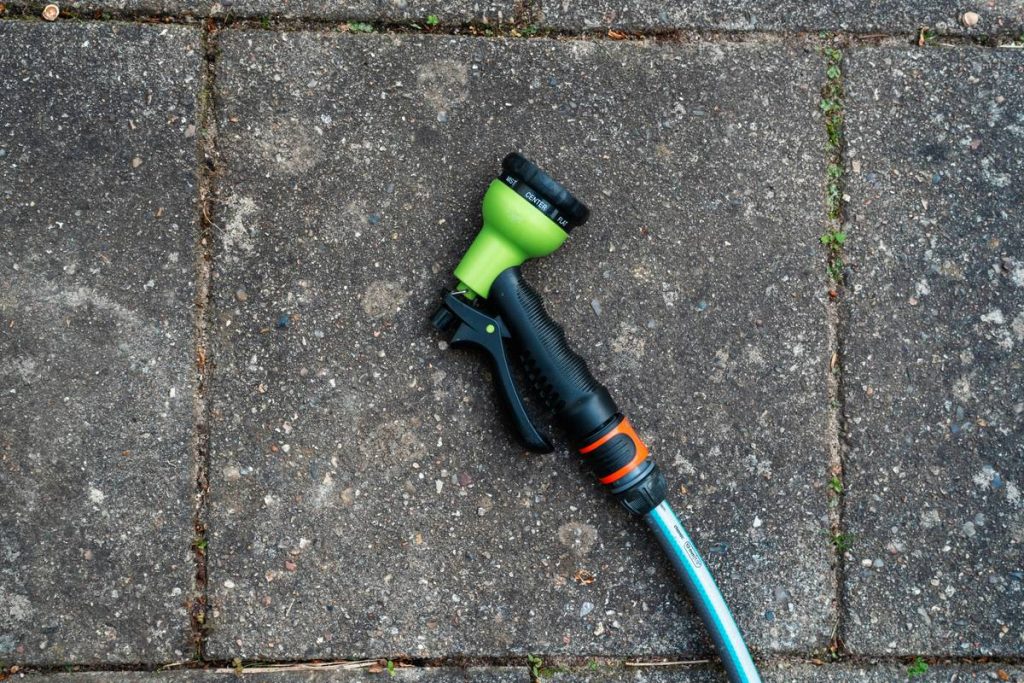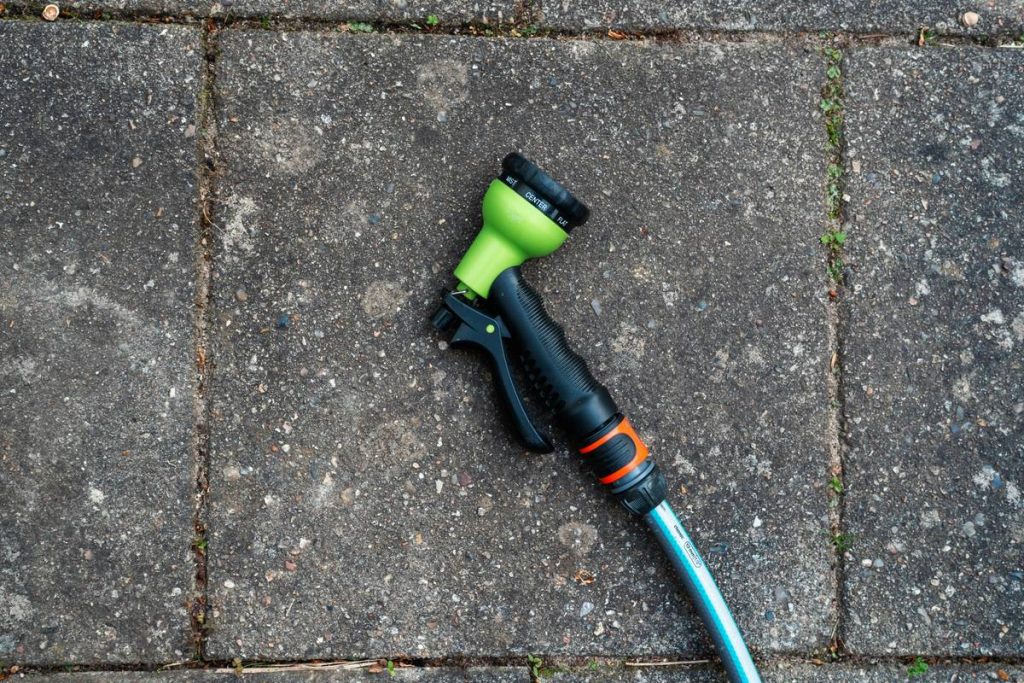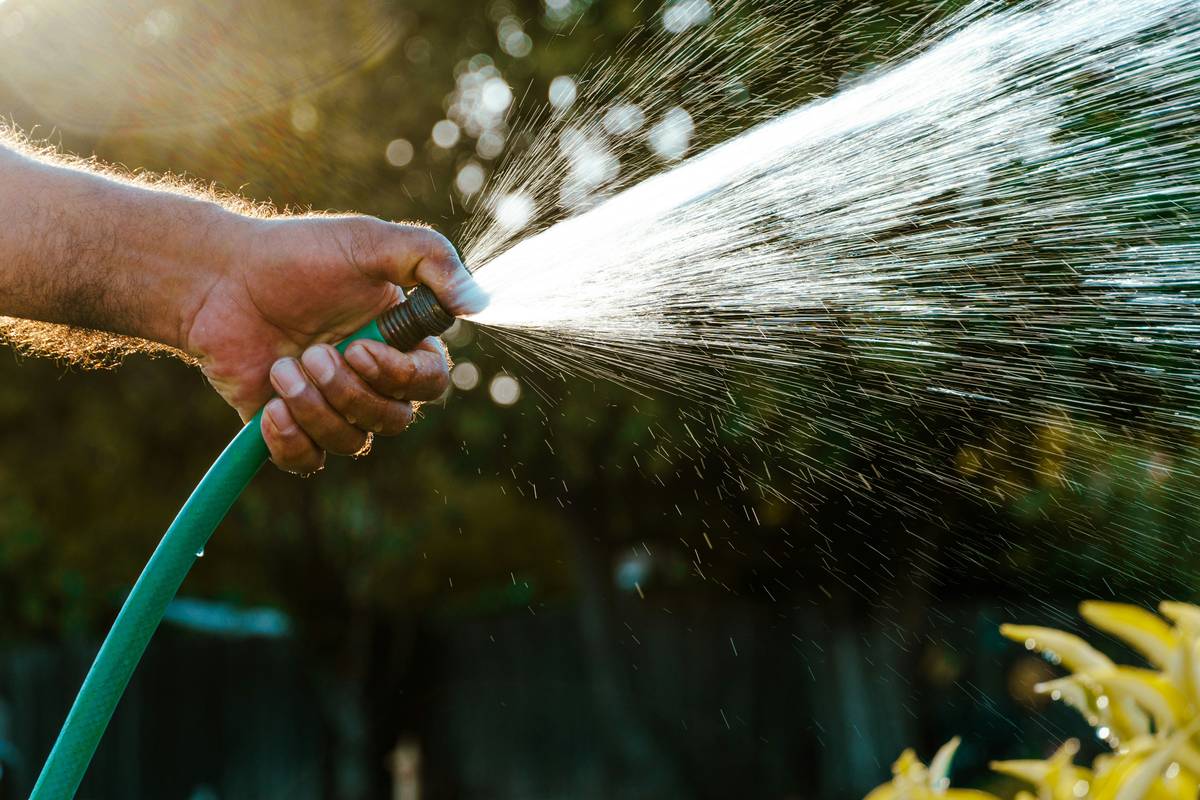
Ever spent Saturday morning wrestling with a flimsy hose nozzle that either dribbled like a leaky faucet or blasted your petunias into next week? You’re not alone. A reliable hose nozzle attachment isn’t just a convenience—it’s the unsung hero of efficient watering, plant health, and water conservation. In this guide, we’ll cut through the marketing fluff and give you actionable advice based on real gardening blunders (yes, I’ve drowned more seedlings than I’d like to admit) and expert insights. Whether you’re tending raised beds or washing your deck, these seven tips will help you choose, use, and maintain your nozzle like a pro.
Table of Contents
- Why Your Hose Nozzle Attachment Matters More Than You Think
- How to Choose and Install the Right Nozzle in 3 Simple Steps
- 5 Best Practices for Long-Lasting Performance
- Real Results: How the Right Nozzle Saved One Garden 40% on Water Use
- Hose Nozzle Attachment FAQs
Key Takeaways
- A quality hose nozzle attachment can reduce outdoor water waste by up to 30% (EPA WaterSense).
- Metal nozzles (especially brass) outlast plastic but cost more—worth it for daily users.
- Always match thread size (usually ¾-inch GHT) to avoid leaks.
- Never store your nozzle under pressure—it fatigues internal seals.
- Avoid “universal fit” claims without checking compatibility.
Why Your Hose Nozzle Attachment Matters More Than You Think
In the grand scheme of home improvement, a tiny nozzle seems trivial. But consider this: the average American household uses 30% of its water outdoors, mostly for landscaping. An inefficient or broken hose nozzle attachment wastes gallons per minute—not just money, but a precious resource.
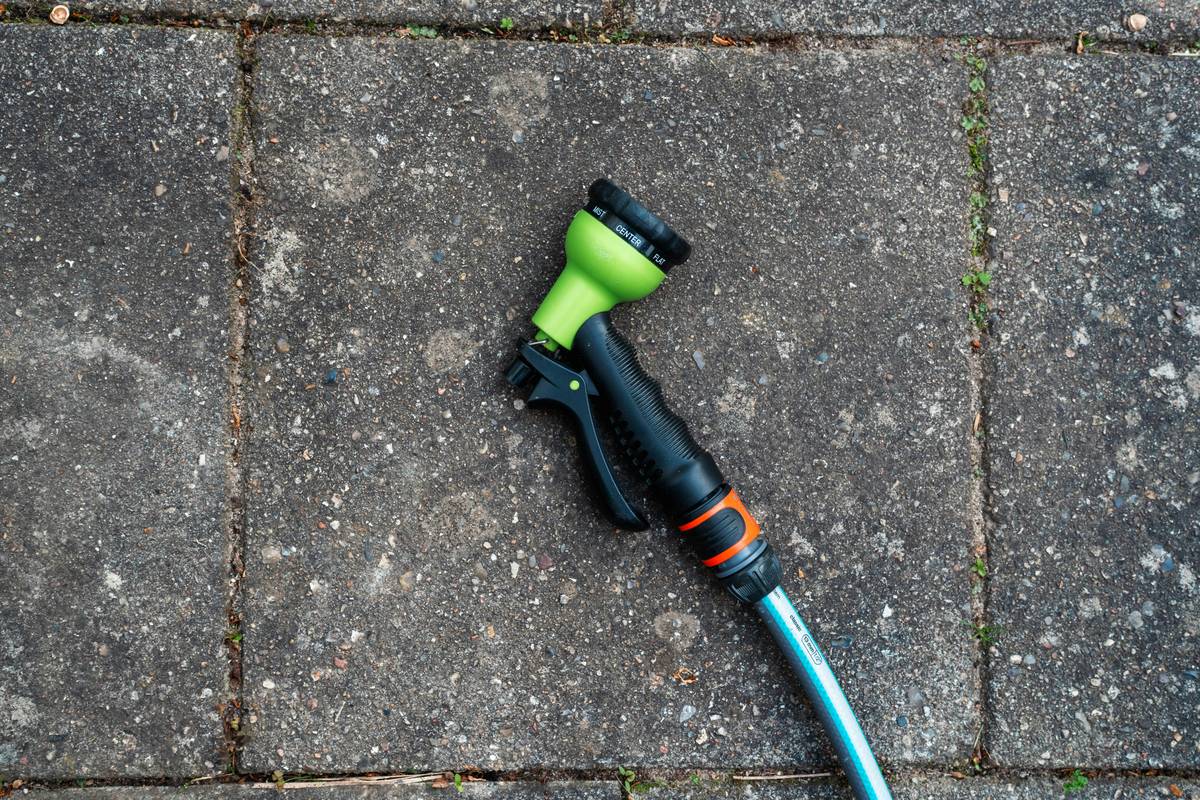
I learned this the hard way last summer. I used a $6 plastic nozzle labeled “heavy duty” (spoiler: it wasn’t). Halfway through watering my tomato bed, it cracked mid-spray, drenching my neighbor’s dry-stacked stone path and washing away a week’s worth of mulch. Not only was it embarrassing—I had to replace both the nozzle and half my compost top-dressing. Lesson? Don’t cheap out on something that handles constant water pressure and sun exposure.
How to Choose and Install the Right Nozzle in 3 Simple Steps
Step 1: Match Your Hose Thread Type
Most U.S. hoses use Garden Hose Thread (GHT), which is ¾-inch. Confirm yours before buying—mismatched threads cause leaks and poor performance. Look for “GHT” or “NH” (National Hose) on packaging.
Step 2: Prioritize Material Over Price
Plastic nozzles warp under UV exposure and crack in winter. Die-cast zinc or brass lasts years longer. Yes, they cost $15–$30 instead of $5–$10, but think long-term ROI. My current brass model has survived two winters in Colorado—still leak-free.
Step 3: Test Spray Patterns On-Site (If Possible)
If shopping in-store, ask to test spray patterns. Look for smooth adjustment between mist, shower, jet, and flat fan modes. Avoid models that require two hands to switch—annoying when you’re balancing a watering can in the other.
5 Best Practices for Long-Lasting Performance
- Drain after use: Water left inside freezes and expands, cracking internals. Always point downward and squeeze trigger post-use.
- Store indoors: Sunlight degrades rubber gaskets. Keep it in your shed or garage.
- Check O-rings annually: Replace worn seals—they’re cheap and prevent drips.
- Don’t overtighten: Hand-tight plus a quarter-turn is enough. Cranking it damages threads.
- Avoid “quick-connect” gimmicks: Many add failure points. Stick with direct-thread if reliability matters most.
And here’s a terrible tip I once followed: “Just wrap Teflon tape around any leak.” Wrong. Teflon tape is for pipe threads, not GHT fittings. It actually prevents proper sealing on hose connections and can shred into your irrigation system. Save the tape for plumbing jobs—your nozzle doesn’t need it.
Real Results: How the Right Nozzle Saved One Garden 40% on Water Use
Sarah K., a Denver-based urban gardener, switched from an old oscillating sprinkler (connected via flimsy nozzle) to a precision brass hose nozzle attachment with fine mist and targeted jet modes. Over one growing season, her smart meter showed a 40% drop in outdoor water consumption—equivalent to 8,000 gallons saved. More importantly, her herbs stopped getting fungal leaf spot from overhead soaking, and her drip-line transplants got gentle, soil-level hydration. Her secret? Using the “shower” mode only at dawn, minimizing evaporation—a technique recommended by Colorado State University Extension.
This isn’t theoretical. Efficient watering protects plants and conserves resources—and it starts with a single, well-chosen tool.
Hose Nozzle Attachment FAQs
What’s the difference between a hose nozzle and a hose nozzle attachment?
Technically, none—both refer to the handheld end piece. “Attachment” often implies it screws onto an existing hose, distinguishing it from built-in sprayers.
Are metal hose nozzles worth the extra cost?
Yes, if you use your hose weekly. Brass resists corrosion, handles high pressure, and lasts 5–10 years vs. 1–2 for plastic. For occasional use, high-grade zinc alloy is a solid middle ground.
Can I use a hose nozzle attachment with a pressure washer?
No. Pressure washers operate at 1,000+ PSI; standard nozzles fail at 80–100 PSI. Always use pressure-washer-specific accessories.
Why does my nozzle leak at the connection?
Usually due to a worn washer or cross-threading. Replace the rubber gasket (most brands sell replacements) and ensure you’re screwing on straight—not at an angle.
Do hose nozzle attachments save water?
Absolutely. Adjustable models let you match flow to task—e.g., low mist for seedlings vs. full jet for cleaning. The EPA estimates such control reduces outdoor waste by up to 30%.
Where can I learn more about responsible watering?
We dive deeper into sustainable practices on our About Us page. And if you’re choosing gear for drought-prone areas, check the EPA’s WaterSense program for certified products.
Ready to upgrade your watering game? Have questions about compatibility or installation? Contact us—we’ve tested dozens of models and can help you pick the right one. (And yes, we promise not to upsell you on Teflon tape.) Remember: the best gardens aren’t watered heavily—they’re watered wisely.
Water flows where intention goes.