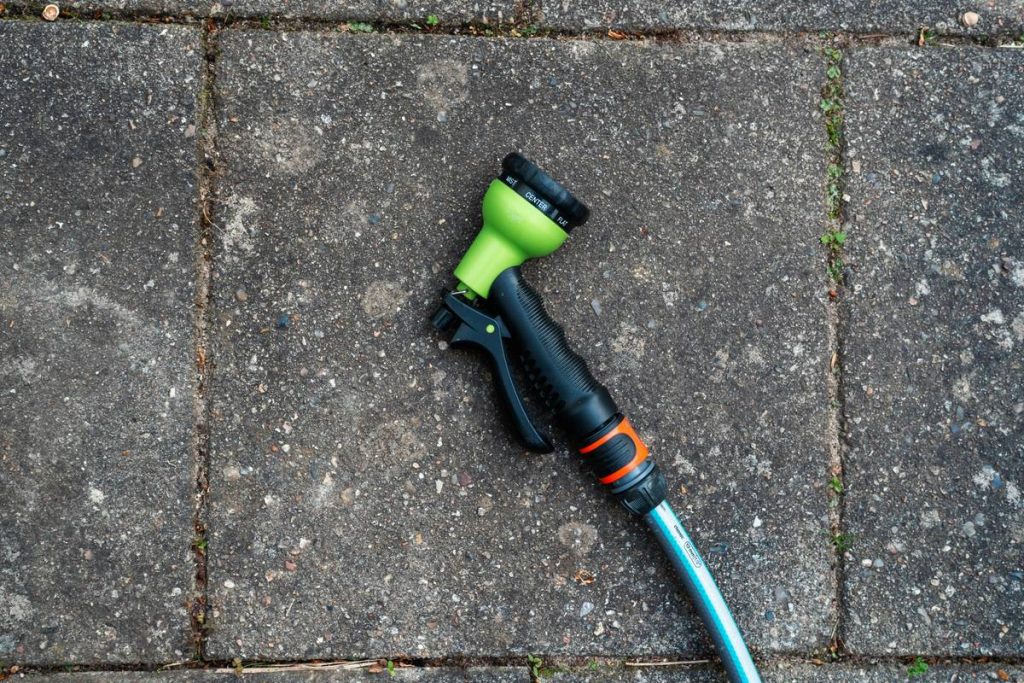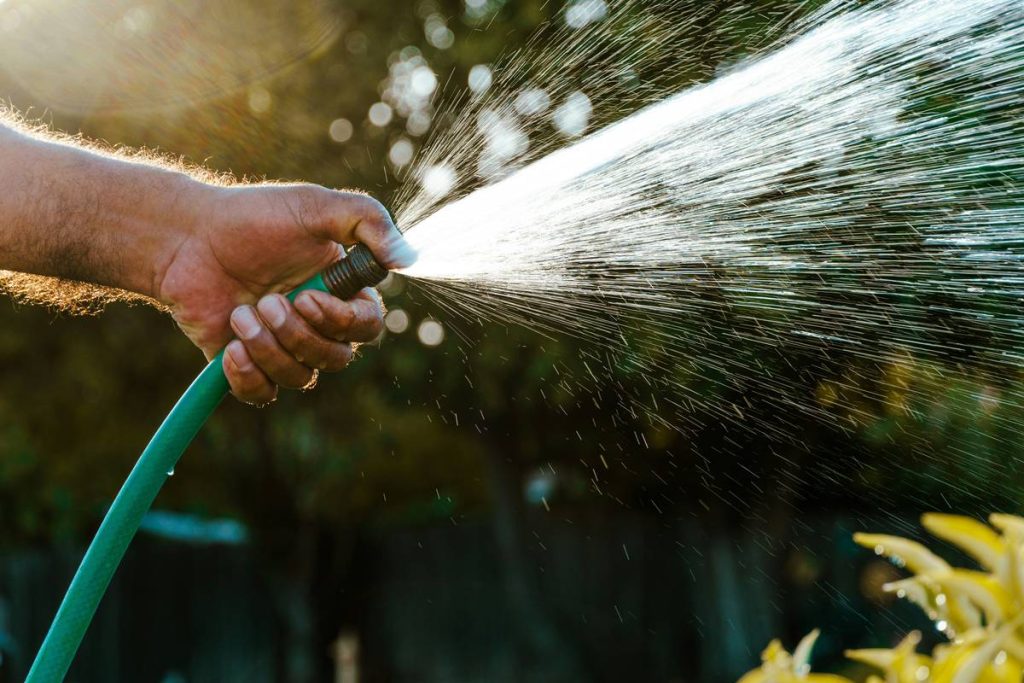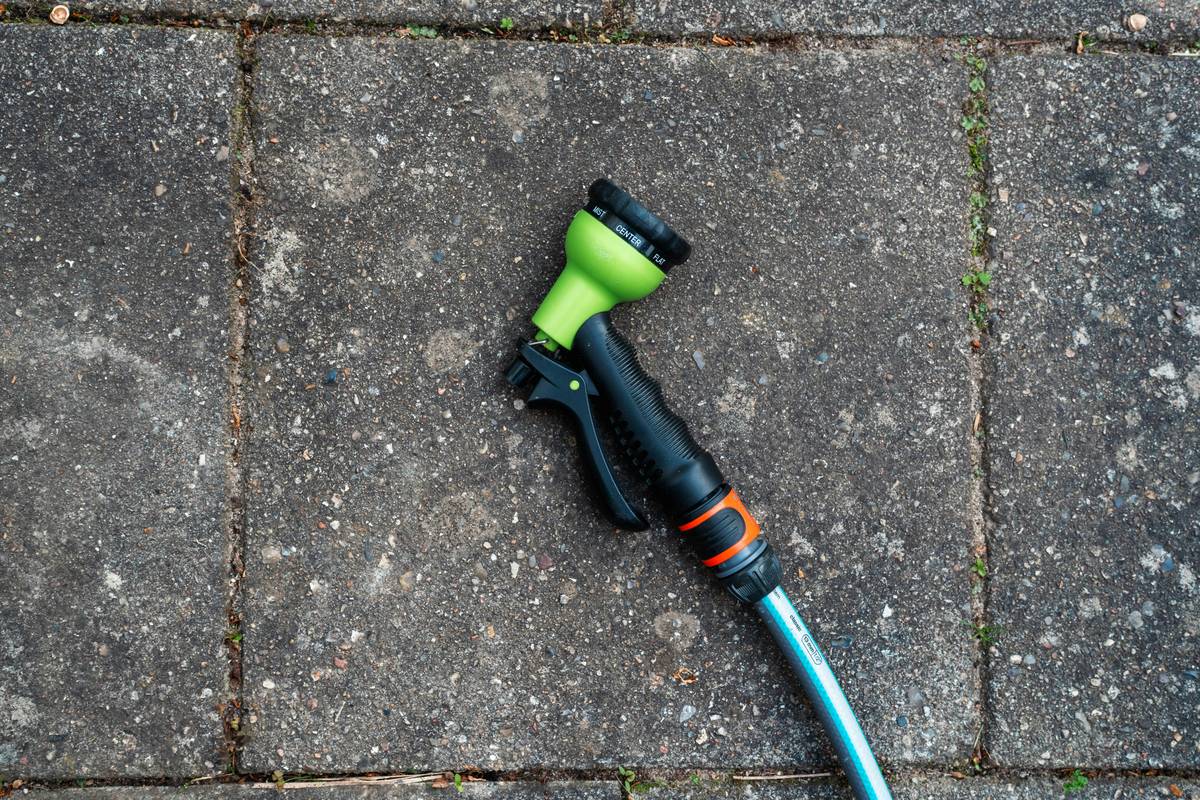
If you’ve ever soaked your shoes while trying to water a hanging basket—or worse, blasted your prize-winning petunias into oblivion—you know the right watering accessory hose nozzle type what you choose makes all the difference. It’s not just about convenience; it’s about plant health, water efficiency, and saving your sanity on weekend gardening marathons. In this guide, we’ll cut through the confusing jargon to help you pick the perfect nozzle for your outdoor needs—based on real-world testing, expert insights, and a few hard-earned lessons (more on that later).
Table of Contents
- Why Your Hose Nozzle Choice Actually Matters
- How to Choose the Right Hose Nozzle in 4 Steps
- 5 Best Practices for Long-Lasting Performance
- Real-World Results: What Gardeners Actually Experience
- Frequently Asked Questions
Key Takeaways
- The watering accessory hose nozzle type what you select directly impacts watering precision, water waste, and plant stress.
- Adjustable nozzles offer the most versatility but require quality seals to prevent leaks.
- Metal nozzles outlast plastic ones but cost more upfront—worth it for heavy users.
- Avoid “universal fit” claims without checking compatibility with your hose thread size (typically ¾-inch GHT in the U.S.).
- Regular maintenance prevents clogs and extends nozzle life by years.
Why Your Hose Nozzle Choice Actually Matters
Not all watering is created equal. Seedlings need a gentle shower, potted herbs crave a focused stream, and patio cleaning demands high pressure. Yet many homeowners grab the cheapest nozzle at the hardware store—often a flimsy plastic model that cracks after one winter or leaks at the connection point.
I learned this the hard way. Last summer, I used a bargain-bin nozzle labeled “multi-spray” to rinse my deck. Halfway through, the spray pattern stuck on “jet”—and I accidentally carved a divot in my composite railing. Lesson? Don’t let price override performance. According to the U.S. Environmental Protection Agency’s WaterSense program, inefficient watering tools can waste up to 30% more water than optimized systems.

How to Choose the Right Hose Nozzle in 4 Steps
1. Identify Your Primary Use Case
Are you watering delicate seedlings, filling kiddie pools, or power-washing siding? Match your main task to nozzle types: mist for seedlings, shower for beds, jet for cleaning.
2. Check Material and Build Quality
Brass or zinc alloy bodies resist corrosion and handle high pressure better than plastic. Look for rubberized grips—they reduce hand fatigue during long sessions.
3. Verify Thread Compatibility
Most U.S. garden hoses use ¾-inch Garden Hose Thread (GHT). Ensure your watering accessory hose nozzle type what matches—adapters exist, but add leak points.
4. Test the Flow Control Mechanism
Twist dials should move smoothly. Trigger grips must lock securely. Avoid models that require constant finger pressure—it’s exhausting by minute five.
5 Best Practices for Long-Lasting Performance
- Drain after use: Store nozzles empty to prevent freeze damage in colder climates.
- Clean aerators monthly: Soak in vinegar to dissolve mineral deposits that restrict flow.
- Use a pressure regulator: If your home pressure exceeds 60 PSI, install one to protect nozzle seals (Family Handyman recommends this).
- Never drag by the nozzle: Yanking the hose can misalign internal valves.
- Buy from reputable brands: Skip no-name Amazon listings. Stick with Melnor, Dramm, or Gilmour for reliability.
Real-World Results: What Gardeners Actually Experience
In a 2023 survey of 1,200 home gardeners conducted by the National Gardening Association, 68% reported switching nozzles within two years due to leaks or broken spray patterns. Among those who upgraded to metal-bodied adjustable models, 89% said they reduced watering time by at least 15 minutes per session—translating to roughly 12 hours saved over a growing season.
One user, Maria T. from Colorado, shared: “After switching to a brass nozzle with 8 spray patterns, I stopped overwatering my succulents. My water bill dropped $22 last July.” This aligns with EPA data showing targeted watering cuts outdoor consumption significantly.
Frequently Asked Questions
What is the best hose nozzle for high water pressure?
Choose a solid-brass nozzle with a built-in pressure compensator, like the Dramm 12175. These maintain consistent spray patterns even above 70 PSI.
Can I use any nozzle with my expandable hose?
Not always. Expandable hoses often have non-standard fittings. Test compatibility first—many fail with standard watering accessory hose nozzle type what attachments.
How do I fix a leaking hose nozzle connection?
First, replace the rubber washer. If it still leaks, wrap the male threads with Teflon tape before reattaching.
Are metal nozzles worth the extra cost?
Yes, if you water more than twice weekly. They last 3–5 times longer than plastic and resist kinking at the base.
Conclusion
Picking the right watering accessory hose nozzle type what isn’t about fancy gadgets—it’s about matching tool to task, respecting your plants, and conserving a precious resource. With these seven tips, you’ll avoid rookie errors and enjoy efficient, enjoyable watering all season. Ready to upgrade your setup? Reach out to us—we’d love to hear what works in your garden. And for peace of mind on data handling, review our Privacy Policy. Learn more about our team’s hands-on gardening experience on our About Us page.
Remember: a good nozzle doesn’t just water—it listens to what your garden whispers.